| A - My books/videos related to JFK Assassination |
| Books 351 - 400 | ||
| The Warren Commission - Hearings & Exhibits - Volume 23 | ||
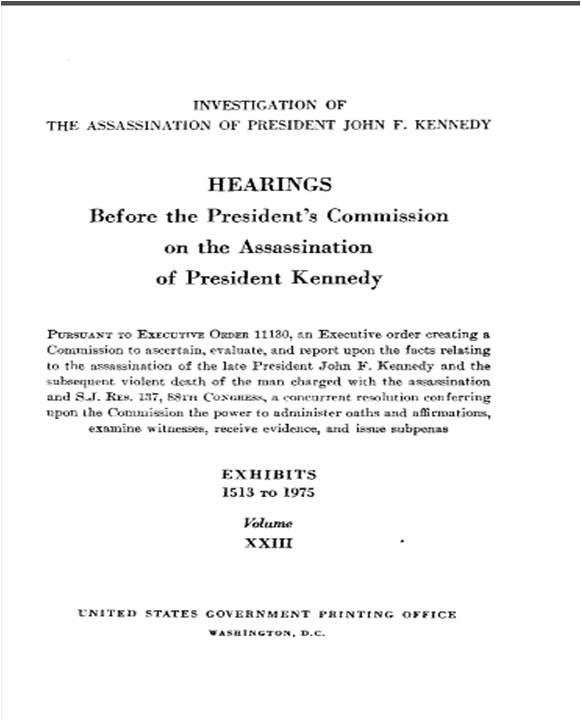 |
AA.VV. 1964 |
Volume XXIII of the
Warren Commission Hearings and Exhibits is one of the eleven exhibits
volumes in that set. The complete set of 26 volumes consists of 5 volumes
of testimony taken by Commission members in Washington DC (volumes I to
V), 10 volumes of testimony and affidavits taken by Commission staff
members in various locations (volumes VI to XV), and the 11 volumes of
exhibits (volumes XVI to XXVI). |
| The Warren Commission - Hearings & Exhibits - Volume 24 | ||
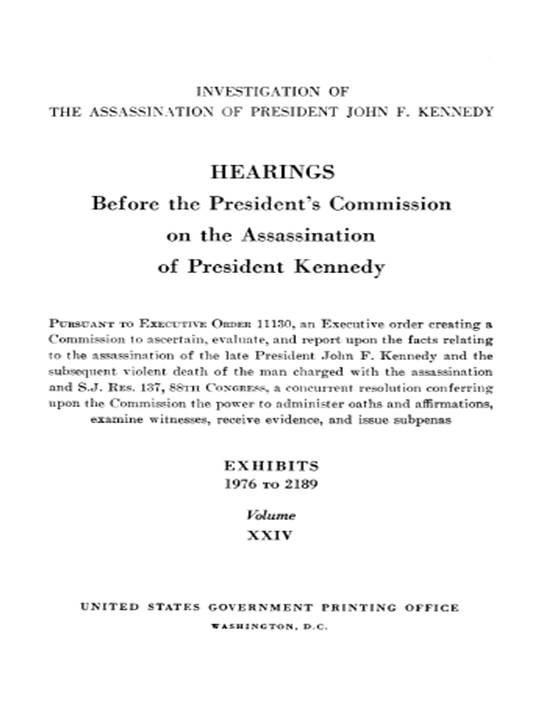 |
AA.VV. 1964 |
Volume XXIV of the
Warren Commission Hearings and Exhibits is one of the eleven exhibits
volumes in that set. The complete set of 26 volumes consists of 5 volumes
of testimony taken by Commission members in Washington DC (volumes I to
V), 10 volumes of testimony and affidavits taken by Commission staff
members in various locations (volumes VI to XV), and the 11 volumes of
exhibits (volumes XVI to XXVI). |
| The Warren Commission - Hearings & Exhibits - Volume 25 | ||
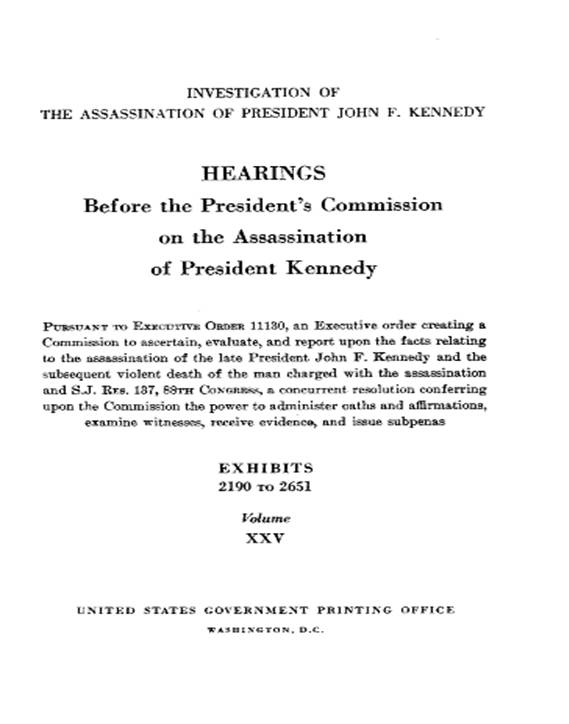 |
AA.VV. 1964 |
Volume XXV of the
Warren Commission Hearings and Exhibits is one of the eleven exhibits
volumes in that set. The complete set of 26 volumes consists of 5 volumes
of testimony taken by Commission members in Washington DC (volumes I to
V), 10 volumes of testimony and affidavits taken by Commission staff
members in various locations (volumes VI to XV), and the 11 volumes of
exhibits (volumes XVI to XXVI). |
| The Warren Commission - Hearings & Exhibits - Volume 26 | ||
 |
AA.VV. 1964 |
Volume XXVI of the
Warren Commission Hearings and Exhibits is the last of the eleven exhibits
volumes in that set. The complete set of 26 volumes consists of 5 volumes
of testimony taken by Commission members in Washington DC (volumes I to
V), 10 volumes of testimony and affidavits taken by Commission staff
members in various locations (volumes VI to XV), and the 11 volumes of
exhibits (volumes XVI to XXVI). |
| The Warren Commission Report + 26 volumes of hearings and exhibits | ||
 |
AA.VV. 1964 |
Original. Complete Warren
Commission Report + 26 volumes of hearings and exhibits (printed 1964). |
| The Zapruder Film : Reframing JFK's Assassination | ||
 |
Wrone David R. 2003 |
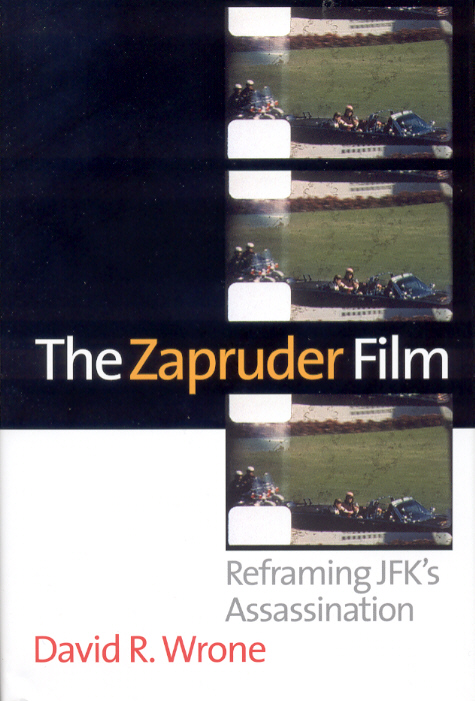
It is
the most famous home movie of all time, the most closely analyzed 26
seconds of film ever shot, the most disturbing visual record of what many
have called "the crime of the century". |
|
"They've have
killed the President!" [The search for the murderers of John F.Kennedy] |
||
 |
Anson Robert Sam 1975 |
From
the cover: |
|
Tippig Point [The conspiracy that murdered President John Kennedy] |
||
 |
Larry Hancock 2021 |
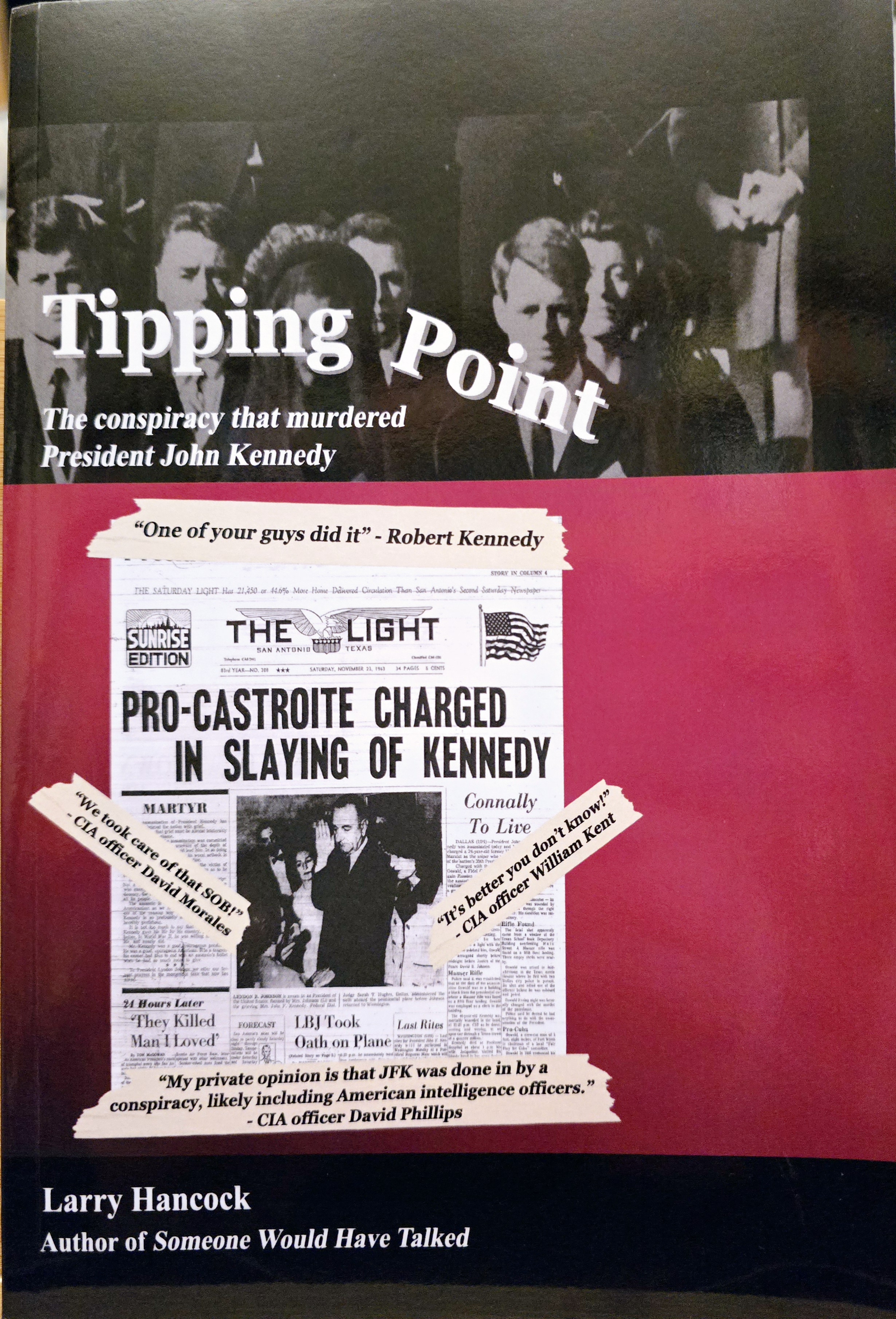
Tipping Point begins with an examination of
what decades of research, and the work of both the House Select Committee
on Assassinations and the Assassinations Records Review Board, have
revealed in regard to critical issues with the official story of President
Kennedy’s assassination. That overview reveals the details of extensive
problems with the evidentiary and forensics information presented in the
Warren Commission Report - and demonstrates why it is neither credible nor
even suitable for a serious study of President Kennedy’s assassination. |
|
Trauma Room One : the JFK Medical Cover-up Exposed |
||
 |
Crenshaw Charles A. 2001 |
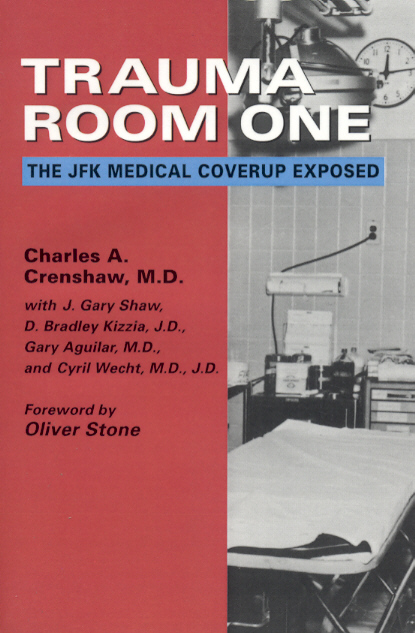
The doctors who tried to save President John F.Kennedy at Parkland Hospital in November of 1963 agreed - either out of respect or fear- not to publish what they had seen, heard an felt. Then in 1990, one of the Dallas surgeons who worked in Trauma Room One, Dr. Charles Crenshaw, decided after much deliberation that the American people ought to know the truth. |
|
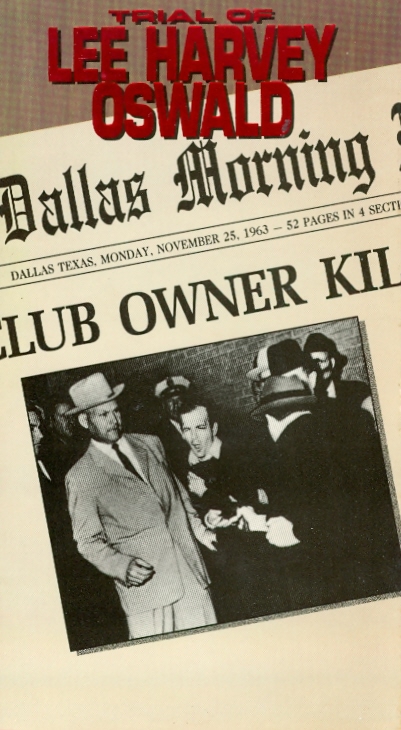
Trial of Lee Harvey Oswald |
||
 |
Buchanan Larrt (Director) VHS 1964 |
On
November 24,1963 Lee Harvey Oswald was shot and killed by Jack Ruby. Lee
Harvey Oswald never received a trial. This film is an enactment based on
information and witness testimony that may have been presented during such
a trial. Oswald will be presented with actors portraying individuals who
may have appeared as witnesses. There is no jury except you, the members
of the audience. |
|
Truth Withheld - A Survivor's Story |
||
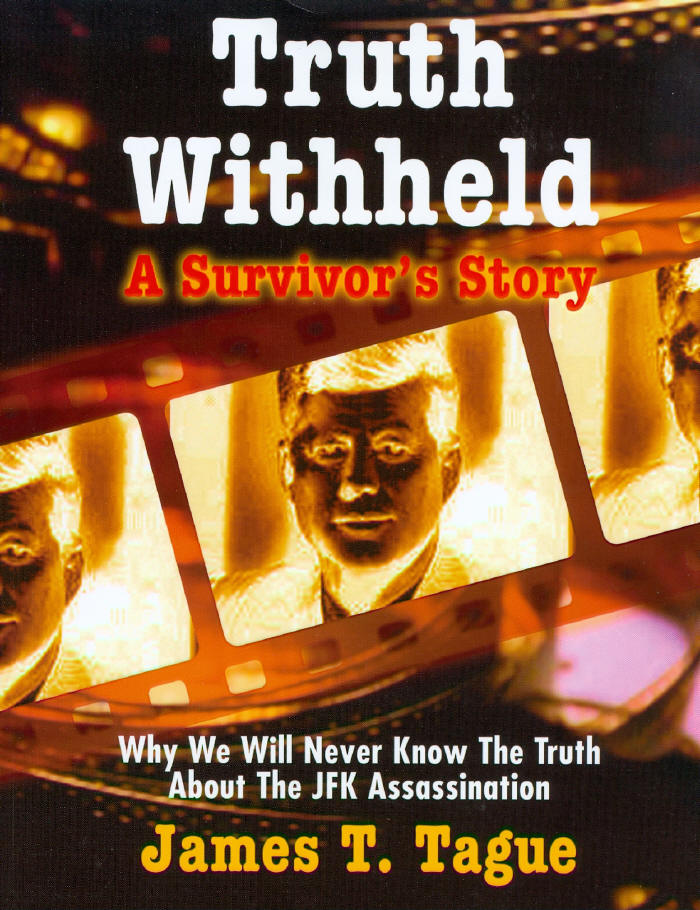 |
Tague James T. 2003 |
President John F.Kennedy and Governor Connally were not the only ones afflicted by an assassin's bullet that terrible November day, back in 1963. There was a third person hit as a result of one of the shots that rang out in Dealey Plaza, and he has finally come forward after 40 years to tell his "survivor's story". |
|
Tutta la verità su
Lee Harvey Oswald |
||
 |
Edward Jay
Epstein 1978 |
First part of an excerpt in Italian, published by Selezione dal Reader's Digest, of the famous book "LEGEND [The secret world of Lee Harve Oswald]" by Edward Jay Epstein. |
|
Two Men in Dallas |
||
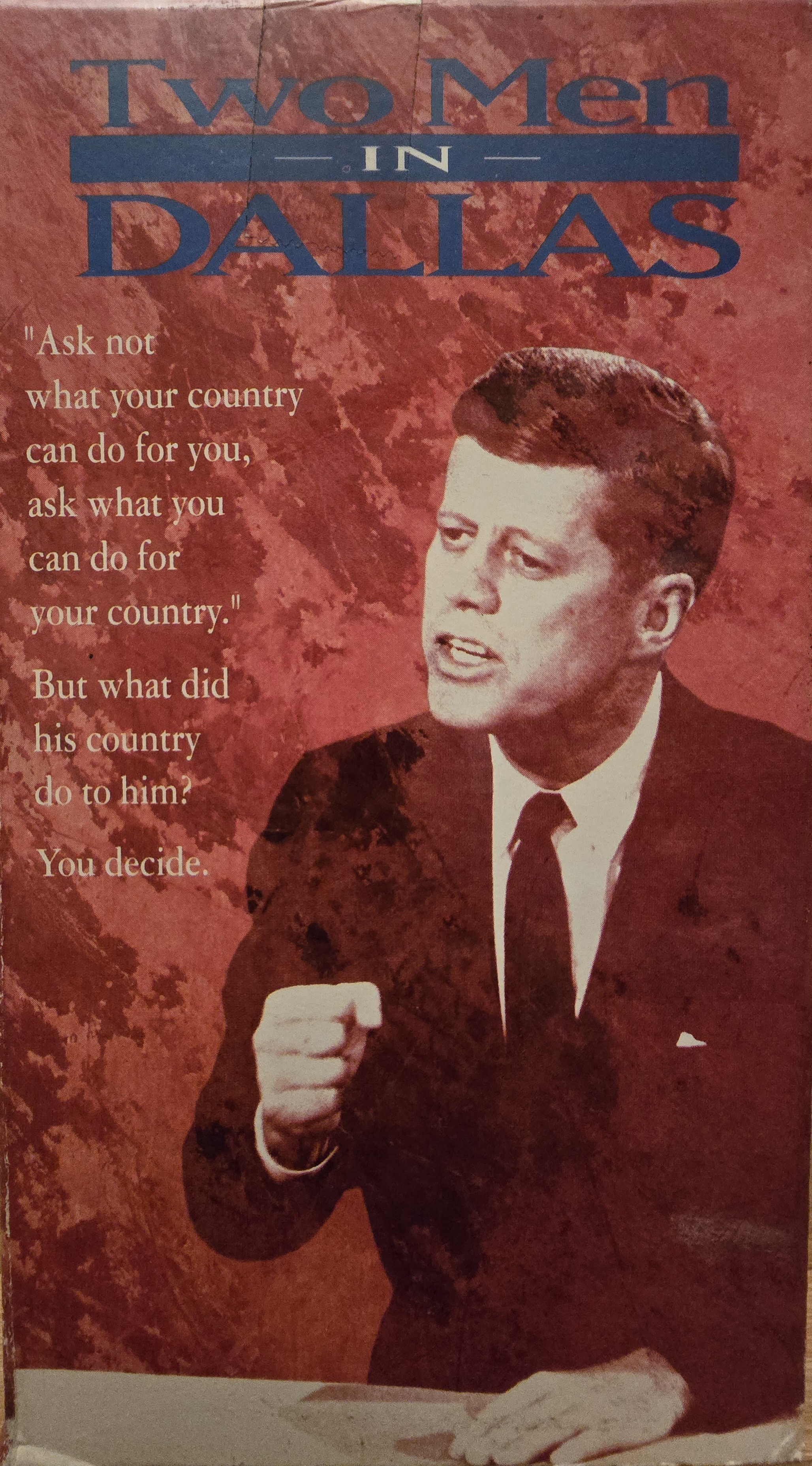 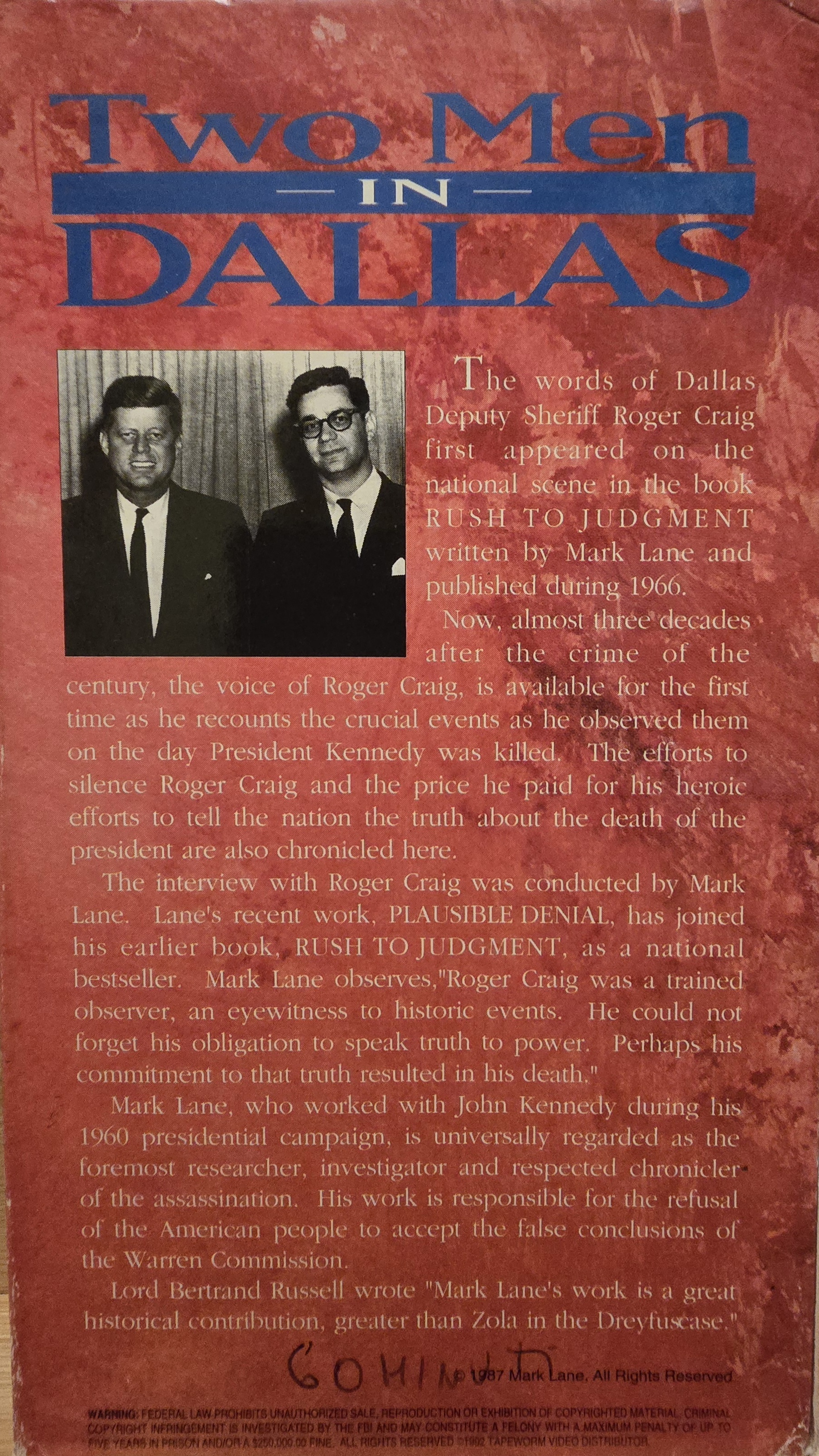 |
Mark Lane VHS - 1987 |
From the back of the VHS cover: The words
of Dallas Deputy Sheriff Roger Craig first appeared on the national
scenein the book "Rush to Judgement" written by Mark Lane and published
during 1966. |
|
Ultimate Sacrifice |
||
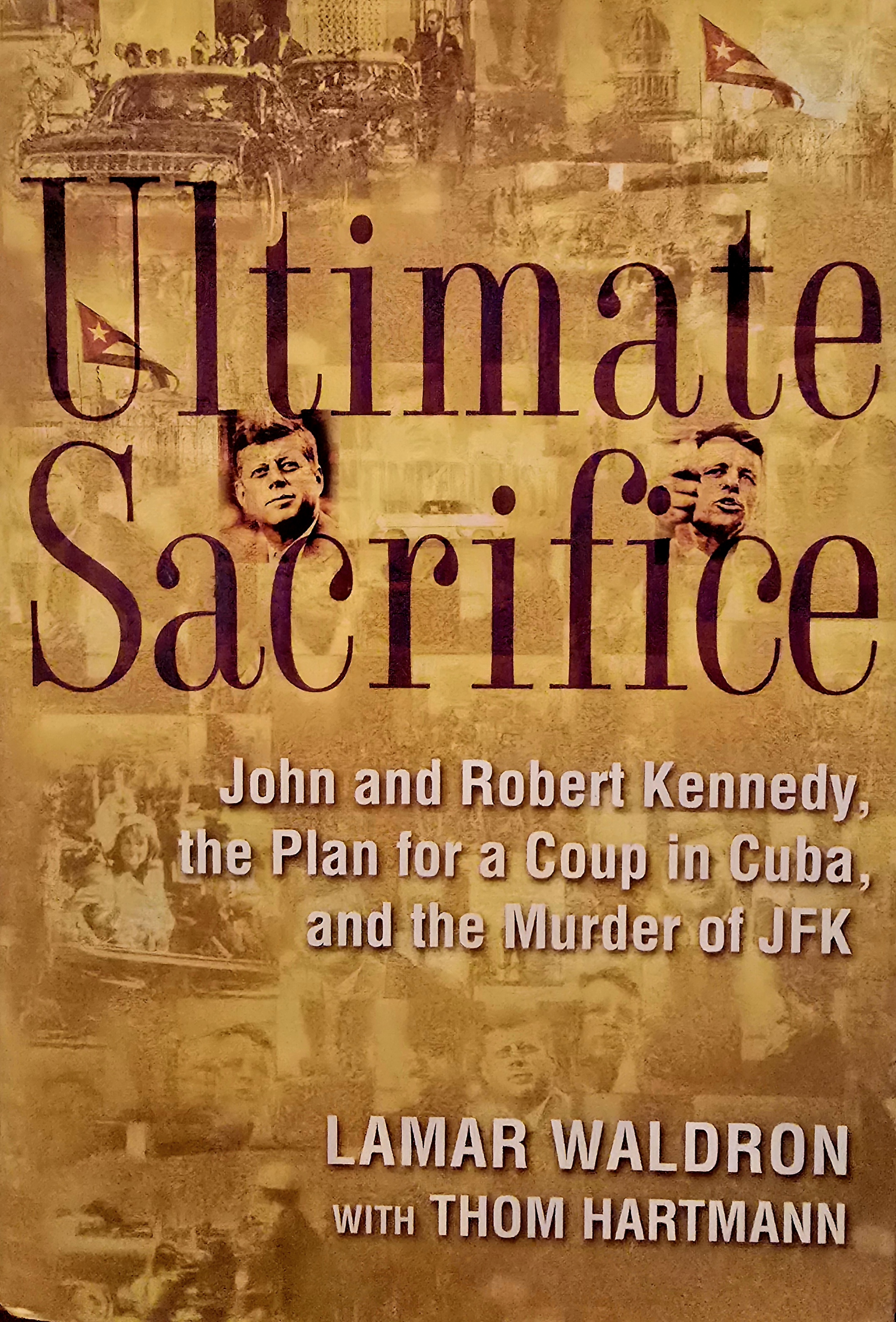 |
Lamar Waldron with Thom Hartman 2005 |
"John
and Robert Kennedy, the plan for a Coup in Cuba and the Murder of JFK". |
|
Unsolved History - JFK: Death in Dealy Plaza |
||
 |
Discovery Channel DVD |
On November 22, 1963, an obscure businessman – Abraham Zapruder – took his
8mm camera to a local park and shot a 26-second home movie. That film,
capturing the assassination of President Kennedy, is arguably the most
important film of the 20th Century. But did you know there were a dozen
other photographers who trained their cameras on the Presidential
motorcade? |
| Warren Commission Report | ||
 |
The History Channel VHS |
The members were among the
most respected men in the nation, led by the Chief Justice of the Supreme
Court, Earl Warren. Their task was to compile and present findings on the
"Crime of the Century," the assassination of John F. Kennedy. |
| When the news went live: Dallas 1963 | ||
 |
Bob Huffaker,
Bill Mercer, George Phenix, Wes Wise 2004 |
The minutes, hours, and
days after President John F. Kennedy was shot on November 22, 1963,
provided no ready answers about what was going on, what would happen next,
or what any of it meant. For millions of Americans transfixed by the
incomparable breaking news, television—for the first time—emerged as a way
to keep informed. But the journalists who brought the story to the
television airwaves could only rely on their skill, their experience, and
their stamina to make sense of what was, at the time, the biggest story of
their lives. |
| Whitewash | ||
 |
Weisberg Harold 1965 |
This book has been one of
the "bibles" for the believer of a conspiracy. |
|
Whitewash IV [The Top Secret Warren Commission Transcript of the JFK Assassination] |
||
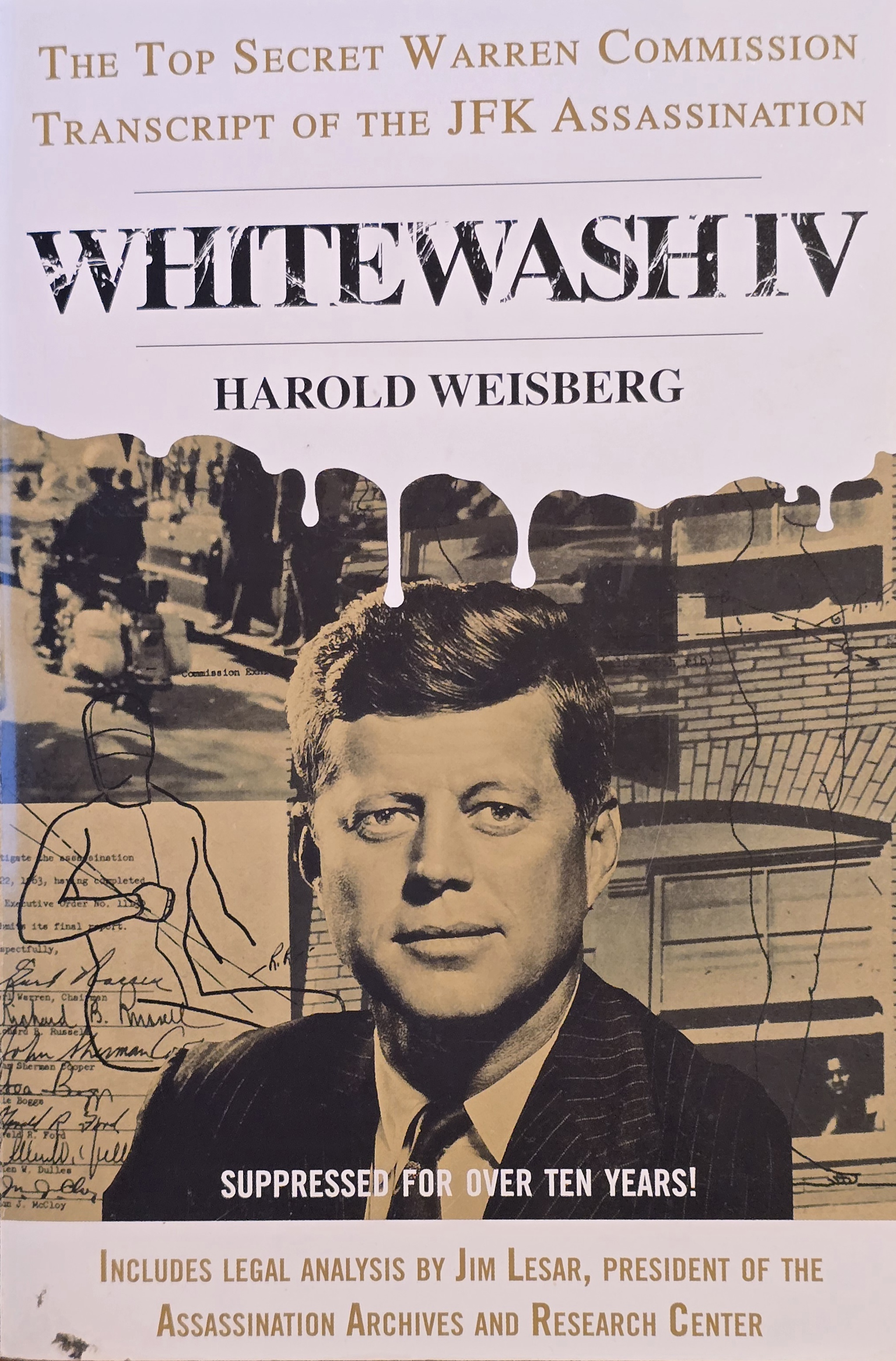 |
Weisberg Harold 1974 |
Whitewash IV tells the
story of Harold Weisberg’s fight for public disclosure of the Warren
Commission executive session transcript of January 27, 1964. This epic
battle of one man against the state is a significant part of the larger
story of the Freedom of Information Act and its crucial 1974 amendment. |
| Who Killed JFK? | ||
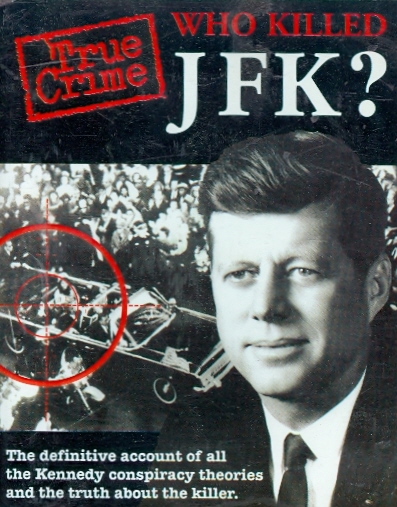 |
Fido Martin Audio Cassettes 1995 |
From
the back cover of these audiocassettes : |
| Who Killed JFK? | ||
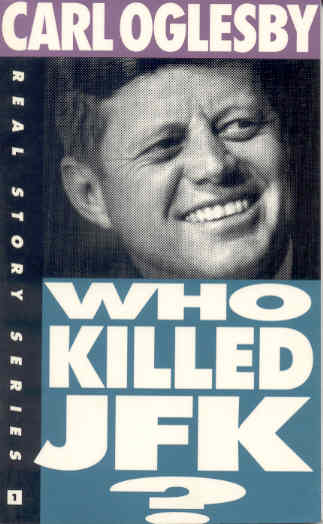 |
Oglesby Carl 1992 |
In this clear and readable book, prominent assassination researcher Carl Oglesby tries to prove that JFK must have been killed by a conspiracy, not by a lone gunman. And, in his opinion, the US government has been involved in covering up that conspiracy. In the last chapter he discusses who might actually have pulled the trigger. |
|
Who really killed Kennedy? [50 years later - Stunning new revelations about the JFK Assassination] |
||
 |
Corsi Jerome R. 2013 |
Conspiracy book. |
|
Who really owns the Zapruder Film after the JFK Act: the sixteen million dollar question |
||
 |
Melanie Skehar 2004 |
Published on "Southwestern
University Law Review", Volume 34, Number 2, 2004. |
| Who Shot JFK? | ||
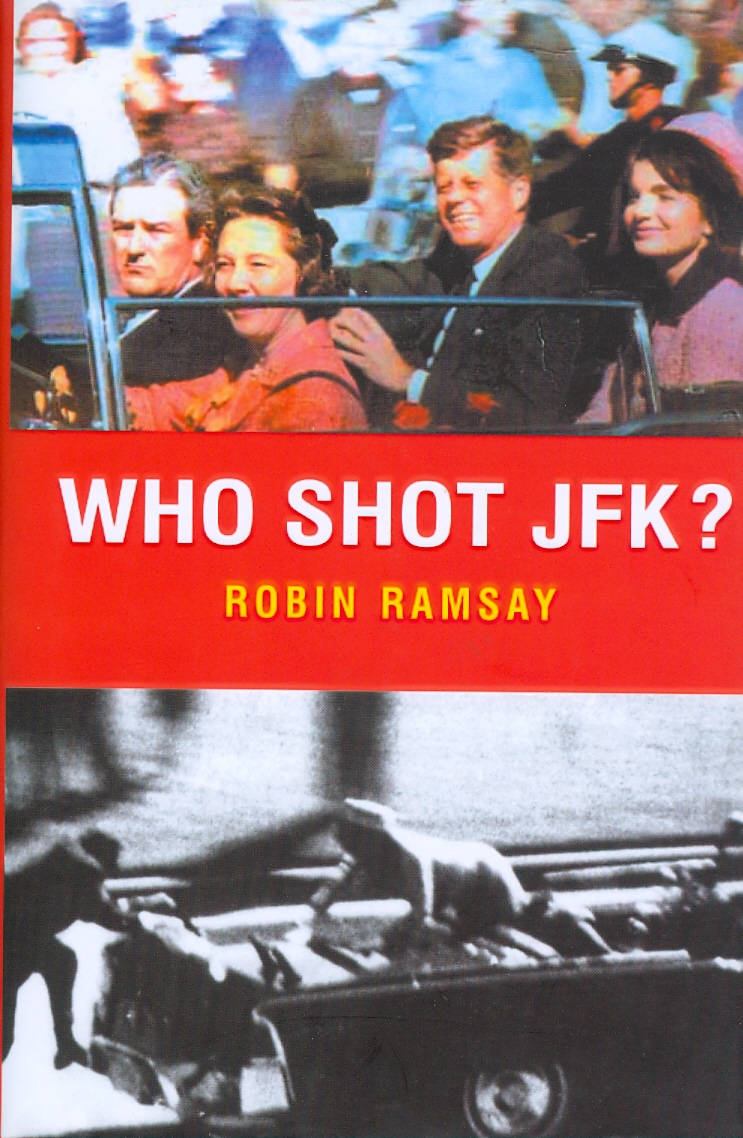 |
Ramsay Robin 2007 |
The Kennedy Assassination remains both the greatest whodunit of the post World War Two era and the best route into recent American history. In this short book, taken it as proven that Lee Harvey Oswald was the patsy he claimed to be before he was murdered, Robin Ramsay looks at the assassination through the work of the researchers who refused to buy the official version that Lee Harvey Oswald was the assassin. He explores the major alternative theories produced by the critics of the official version and the major landmarks in the Kennedy assassination research. |
|
Who Shot The President? [The Death of John F.Kennedy] |
||
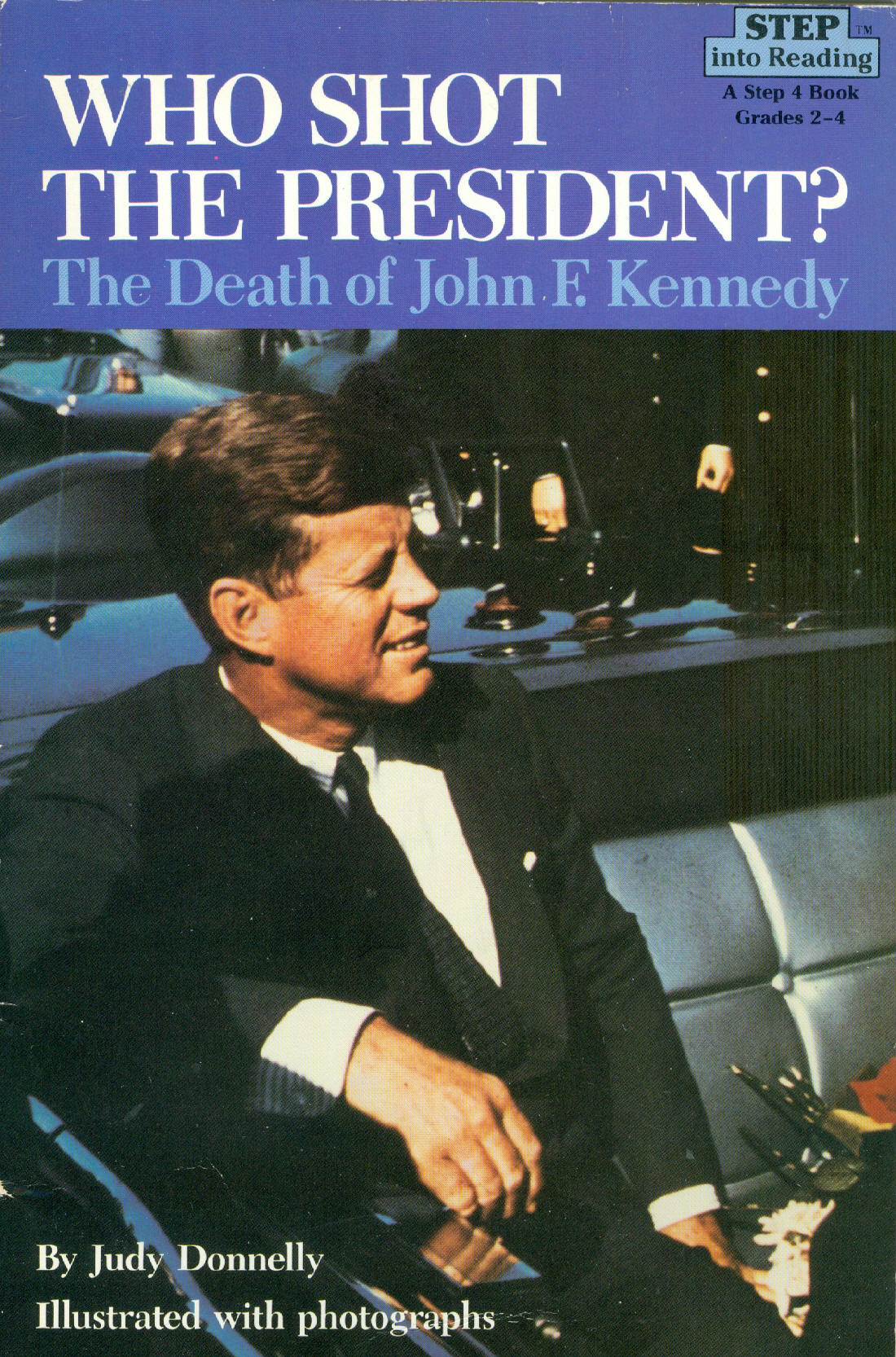 |
Donnelly Judy 1988 |
Donnelly briefly and clearly covers the events surrounding the assassination and funeral of John Kennedy. Full-color & black-and-white photos. A straightforward account of the killing and the continuing speculation about its circumstances. Beginning with the events of Nov. 22, the following chapters cover Kennedy's career, the arrest and murder of Oswald, the funeral, and the Warren Commission. Large print, short sentences and many photos make this attractively-designed volume suitable for older poor readers as well as for the primary audience (Grade2-4). |
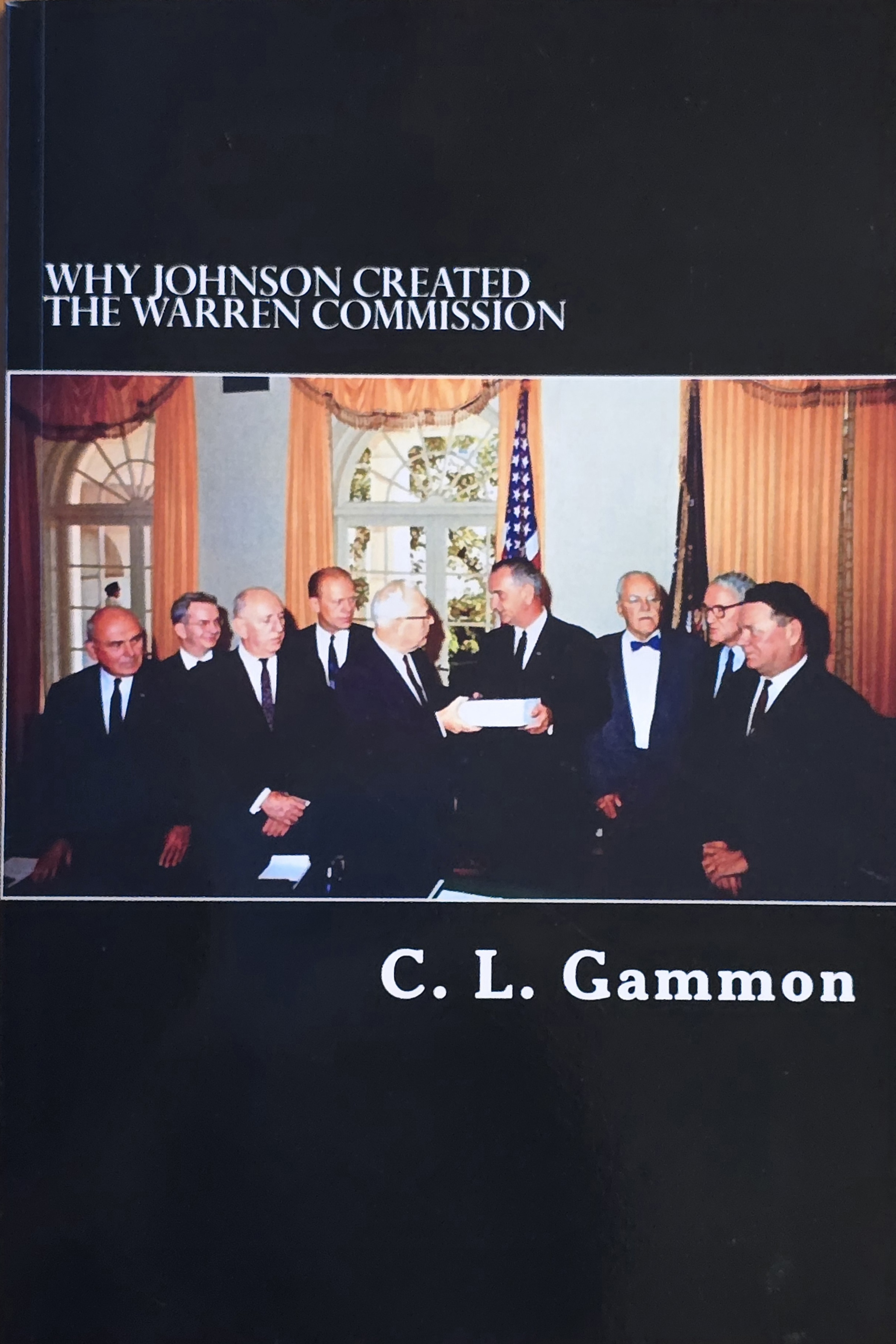
| Why Johnson created the Warren Commission | ||
 |
C.L. Gammon 2014 |
"Why Johnson Created the Warren Commission" recounts how President Lyndon Johnson angrily opposed the creation of the Commission when he first heard it proposed and why he later embraced it. It presents conclusive proof as to why Johnson empanelled the Warren Commission and what he hoped to accomplish by creating it. It also reveals why Johnson choose the individuals who served on the Warren Commission. The author based this book on independent research and public domain documents. "Why Johnson Created the Warren Commission" is sure to be a controversial and important book. |
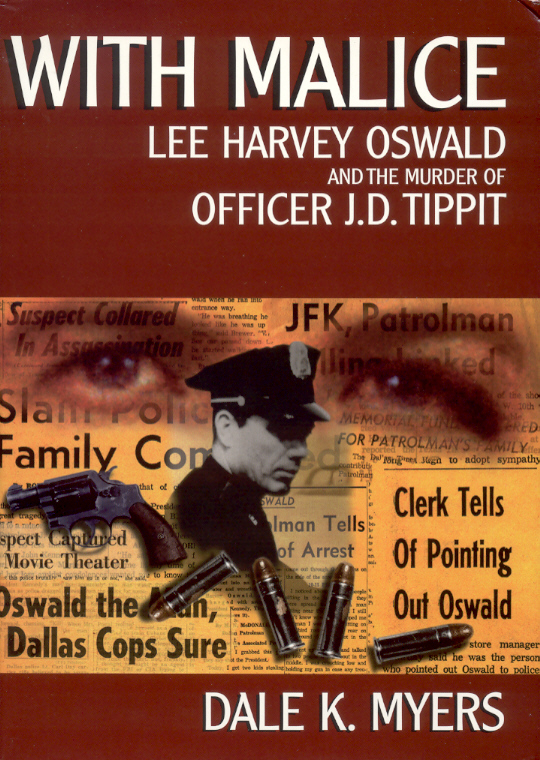
| With Malice | ||
 |
Myers Dale K 2001 |
Lee Harvey Oswald and the
murder of officer J.D.Tippit. |
| World Famous Unsolved Crimes | ||
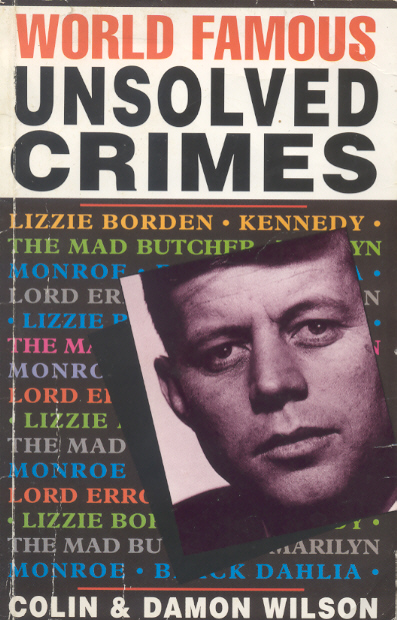 |
Wilson Colin & Damon 1992 |
From the back cover: |
Back to Top Back to Biagio's
Kennedy Home Page
Biagio Privitera's
Home Page. You can contact me at
biagio.privitera@gmail.com