|
| |
|
D
-
Misc books/video related to
JFK Years |
1
2
3
4 5
|
Books 201 - 250 |
|
The Murder of JFK
and Mary Kelly |
 |
Bob Lamacki
2015 |
A novel.
Ted Gault does the unthinkable: he brutally murders his great love, Mary
Kelly. He cannot comprehend his own reprehensible actions. His action
takes away his soul, and must find redemption, though it is impossible.
Yet, he finds a way to become the protectorate of the community. The Black
Arrow Man shows no mercy—he becomes the arbiter of justice. final.
Max Sarb, the police chief in Stone Eagle, Wisconsin, find's Mary's
killer, but it costs him his life. Marc Sarb succeeds him as Chief of
Police, but twenty years later still has doubts about Mary Kelly's killer.
His twin sons are hard at work unraveling an even bigger mystery. The boys
are determined to uncover the truth about the murder of President John F.
Kennedy. There is no fiction here. Bob Lamacki proves we have been lied
to.
Marc would never suspect his friend Ted Gault, a pillar of Stone Eagle’s
tightly knit community, could be behind Mary Kelly’s murder. Then again,
no one would believe the shocking historical revelations his boys dig up
about Kennedy’s death. As Ted struggled to find a way to finally dam his
river of guilt, Max’s dogged pursuit of justice closes in on him. In the
meantime, the twins’ obsession with JFK’s death exposes the true nature of
evil, past and future. The JFK murder report contained in the book,
represents 40 plus years of study. There are no theories, but facts that
prove Oswald innocent. He was a patsy. |
|
The Peace Corps:
The Early Years |
 |
Charles Clyde Jones, Ph.D.
2015 |
Historical analysis of
development of a new Government agency organization and management of
policy for Public Administration.
Early Peace Corps history has many lessons to teach
about politics of public administration policy. Executive Actions to
create U.S. Peace Corps and NASA were very different than the Executive
Actions today and increasingly of interest to many college courses today.
This past history of recent Executive Actions are problematic as the are
fully progressed from an idea to reality. Yet, the idea was not so novel
when seen from developmental and historical perspectives. In many ways, it
represented secularization of many deeply-rooted humanitarian non-secular
missionary volunteer traditions of American views, beliefs, and sincere
desires to share freedom and prosperity to all. The first Peace Corps
volunteers of the Sixties were doing, without religious connotation, what
Christian missionaries had done for many decades. This book provides
detailed documentation of the many people involved in creation of the U.S.
Peace Corps by Presidents Kennedy and Johnson, in the years of the
"American Camelot", and for the first 25 years of the Peace Corps -- with
insights for the future of such humanitarian movements to the present day
and beyond. Special emphasis is given to previously unpublished insights
into early influence and interests of the first Director of U.S. Peace
Corps, Sargent Shriver. This book can be very useful as additional
readings for courses and seminars as well as independent study for
Political Science and History of government agency and for understanding
of effective roles between Congress and executive government agency
management. This book provides historical insights into early use of
Presidential Executive Orders for fast action while working with Congress
to permanently fund and organize new agencies to address critical national
needs, as pioneered by Presidents Kennedy and Johnson for Peace Corps and
NASA. |
The Presidents
[Visual Encyclopedia] |
 |
Smithsonian
2017 |
Explore
the lives of America's 45 presidents, as well as notable first ladies,
famous speeches, and major constitutional events, with this visual
reference guide to the leaders of the United States.
From George Washington to Donald Trump, The Presidents Visual Encyclopedia
presents a unique insight into life in the White House. More than 150
easy-to-read entries cover the presidents, first ladies, the Louisiana
Purchase, the Gettysburg Address, and more, and over 200 fascinating
photographs add to kids' knowledge of these leaders and the key moments
that defined their time in office.
Created in association with the Smithsonian Institution, The Presidents
Visual Encyclopedia is the perfect one-stop reference guide, teaching kids
all they need to know about the history of the United States and the
remarkable impact our country has had on the rest of the world. |
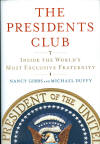
The Presidents Club
[Inside the World's Most Exclusive Club] |
 |
Gibbs Nancy &
Duffy Michael
2012 |
The
first history of the private relationships among modern American
presidents - their backroom deals, rescue missions, secret alliances and
enduring rivalries.
The President Club, established at Dwight Eisenhower's inauguration by
Harry Truman and Herbert Hoover, is a complicated place : its members are
bound forever by the experience at the Oval Office and yet are eternal
rivals for history's favor. Among their secrets : Ho Jack Kennedy tried to
blame Ike for the Bay of Pigs. How Ike quietly helped Reagan win his first
race in 1966. Ho Richard Nixon conspired with Lyndon Johnson to get
elected and then betrayed him. How Jerry Ford and Jimmy Carter turned a
deep enmity into an alliance. The letter from Nixon that Bill Clinton
rereads every year. The unspoken pact between a father and a son named
Bush. And the roots of the rivalry between Clinton and Barack Obama.
Journalists and presidential historians Nancy Gibbs and Michael Duffy
offer a new tool to understand the presidency by exploring the club as a
hidden instrument of power that has changed the course of history. |
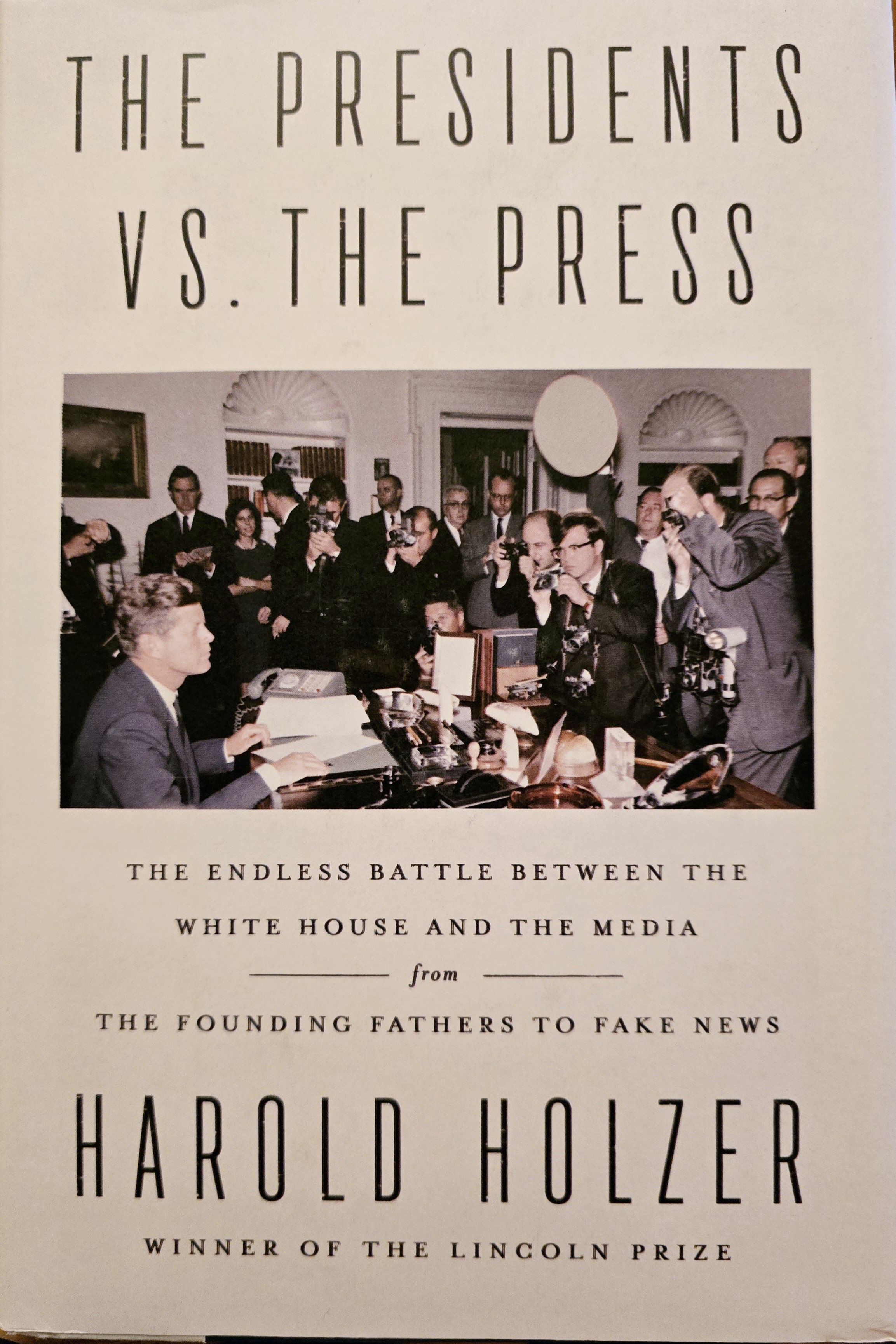
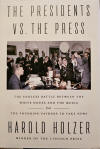
The Presidents vs the Press
[The endless battle between the White House and the Media from the
Founding Fathers to Fake News] |
 |
Harold Holzer
2020 |
An
award-winning presidential historian offers an authoritative account of
American presidents' attacks on our freedom of the press.
Every president has been convinced of his own honesty and transparency;
every reporter who has covered the White House beat has believed with
equal fervency that his or her journalistic rigor protects the country
from danger. Our first president, George Washington, was also the first to
grouse about his treatment in the newspapers, although he kept his
complaints private. Subsequent chiefs like John Adams, Abraham Lincoln,
Woodrow Wilson, and Barack Obama were not so reticent, going so far as to
wield executive power to overturn press freedoms, and even to prosecute
journalists.
Theodore Roosevelt was the first president to actively manage the stable
of reporters who followed him, doling out information, steering coverage,
and squashing stories that interfered with his agenda. It was a strategy
that galvanized TR’s public support, but the lesson was lost on Woodrow
Wilson, who never accepted reporters into his inner circle. Franklin
Roosevelt transformed media relations forever, holding more than a
thousand presidential press conferences and harnessing the new power of
radio, at times bypassing the press altogether. John F. Kennedy excelled
on television and charmed reporters to hide his personal life, while
Richard Nixon was the first to cast the press as a public enemy. From the
days of newsprint and pamphlets to the rise of Facebook and Twitter, each
president has harnessed the media, whether intentional or not, to imprint
his own character on the office.
In this remarkable new history, acclaimed scholar Harold Holzer examines
the dual rise of the American presidency and the media that shaped it.
From Washington to Trump, he chronicles the disputes and distrust between
these core institutions that define the United States of America,
revealing that the essence of their confrontation is built into the fabric
of the nation. |
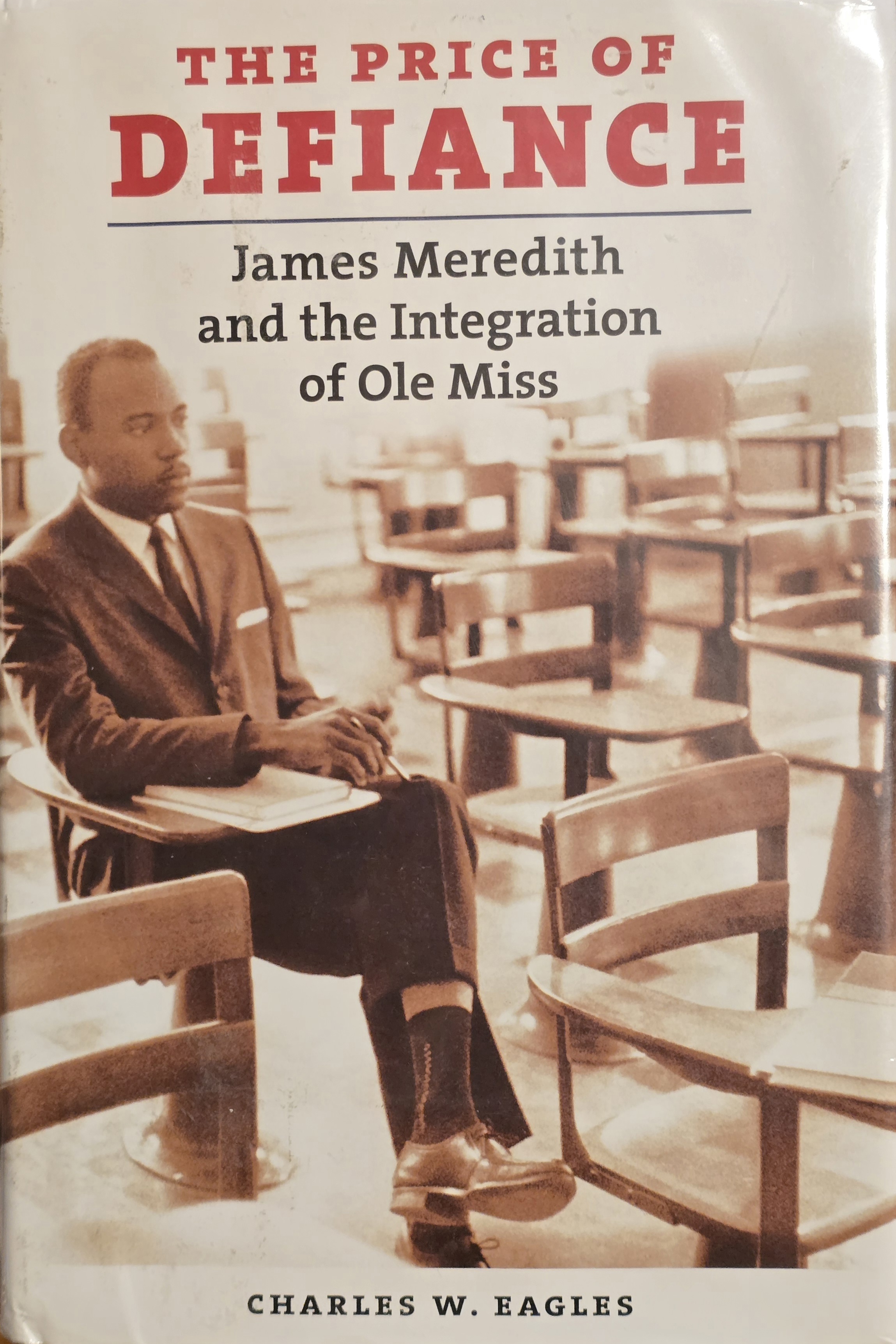
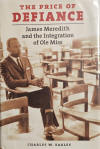
The Price of Defiance
[James Meredith and the Integration of Ole Miss] |
 |
Charles W.
Eagles
2009 |
When James Meredith enrolled as the first African American student at the
University of Mississippi in 1962, the resulting riots produced more
casualties than any other clash of the civil rights era. Eagles shows that
the violence resulted from the university's and the state's long defiance
of the civil rights movement and federal law. Ultimately, the price of
such behavior--the price of defiance--was not only the murderous riot that
rocked the nation and almost closed the university but also the nation's
enduring scorn for Ole Miss and Mississippi. Eagles paints a remarkable
portrait of Meredith himself by describing his unusual family background,
his personal values, and his service in the U.S. Air Force, all of which
prepared him for his experience at Ole Miss. |
The Quiet Companion
[Malice in the Shadow of JFK] |
 |
Peter
Chatelain
2009 |
A novel.
President-elect Kennedy spends November 18, 1960, alone at his parents'
home on Palm Beach. He meets Enid, an attractive painter, by the water.
The chance encounter triggers his puzzling decision to return to Florida
immediately after Thanksgiving, leaving his heavily pregnant wife
Jacqueline behind. Enid becomes the President's best kept secret and,
unbeknown to him, much more than that. This presidency is strewn with dark
mysteries from the demise of Marilyn Monroe to that of JFK himself;
passing by the sidelining of lover Judith Exner, the forced repatriation
of german model Ellen Rometsch, the wrath of Sinatra, the motives of Mafia
bosses Giancana and Trafficante, the ominous warning to Press Secretary
Salinger and the political survival of Edgar Hoover. Because Enid is not
whom she seems. So who is this intelligent redhead, with gazelle eyes, who
loves and dreams in the shadow of a president? Is she acting for others?
If she is genuinely enamoured with JFK, she doesn't save him from the gun.
And why does Mary Meyer, JFK's lifelong friend, meet the same fate
thereafter? Masterly crafted around historical accounts, The Quiet
Companion captures the reader in a fascinating web of intrigue until the
last breathtaking page. |
|
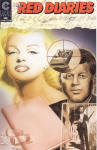
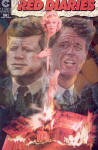
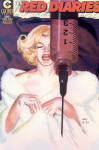
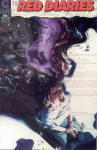
The Red Diaries |
 |
Gary Reed
Caliber Comics
1997 |
The Red Diaries was
released as a four-issue series with each issue running 48 pages, about
the Kennedy / Mob / CIA and other connections with Marilyn.
Written by Gary Reed, it featured artwork from Chris Jones, Laurence
Campbell, Larry Shuput, and Ken Meyer, Jr. In addition to the story line,
there is background information that will provide a wider view on the
story line. These short segments include a history of the CIA, the Kennedy
family, the formal reports on the Kennedy Assassination, Monroe's death,
and more. |
|
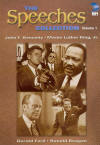
The Speeches
collection - Vol.1 |
 |
AA:VV.
DVD |
A
two-disc set containing the important and famous speeches of John
F.Kennedy, Martin Luther King,Jr, Gerald Ford and Ronald Reagan.
John F.Kennedy was dynamic, poised and relaxed at all times. The program
focuses on Kennedy, the public orator and features every major address
during his three years in the White House.
Martin Luther King Jr was perhaps the most inspirational speaker of all
time. Follow his electrifying speeches from the early days as a young
pastor in Montgomery to the great march on Washington, including the final
prophetic speech in Memphis just days before his tragic assassination. |
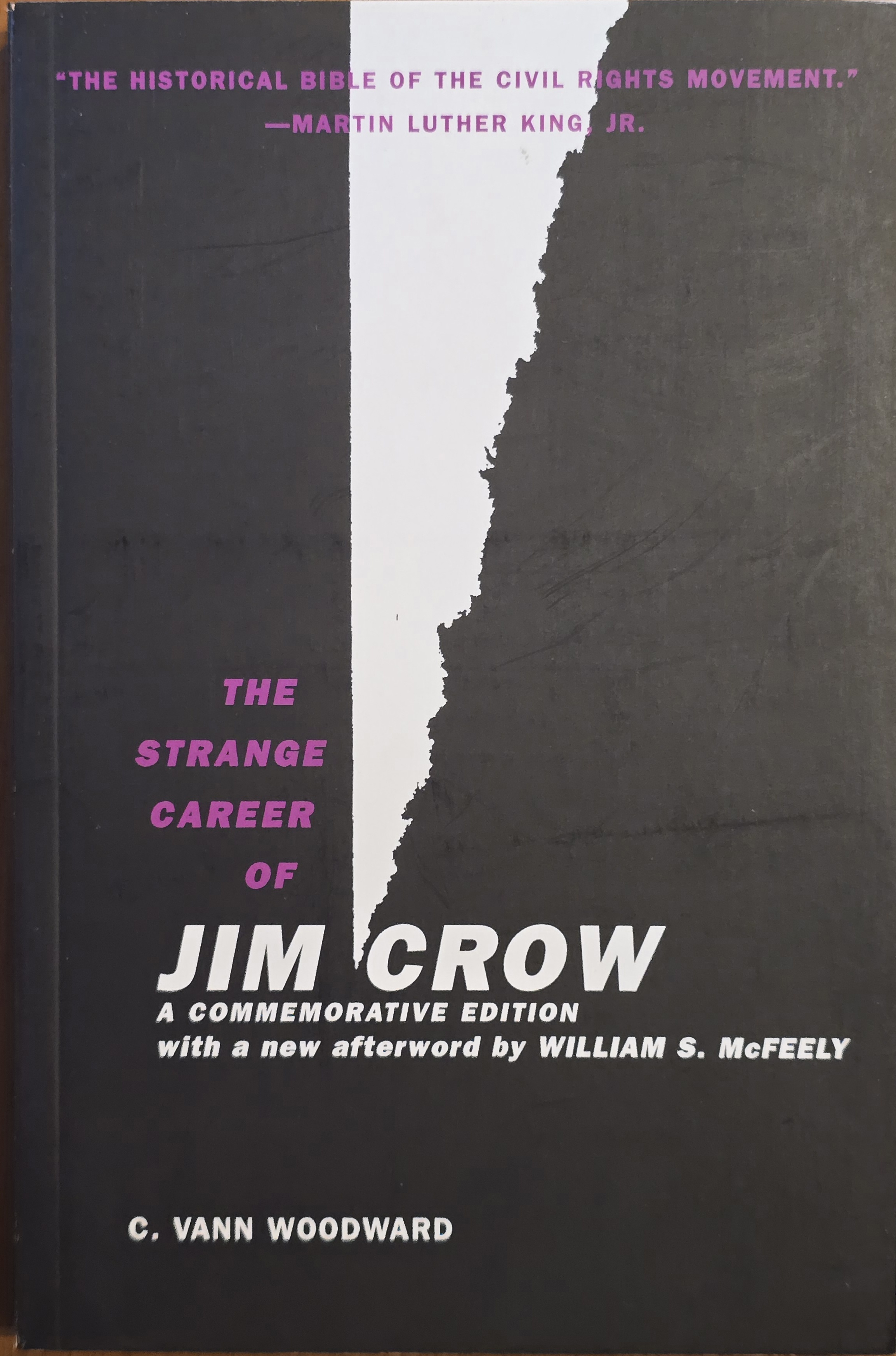
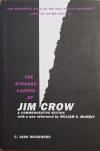
The strange
career of the Jim Crow
[A Commemorative Edition] |
 |
C.Vann
Woodward
2002 |
C.
Vann Woodward, who died in 1999 at the age of 91, was America's most
eminent Southern historian, the winner of a Pulitzer Prize for Mary
Chestnut's Civil War and a Bancroft Prize for The Origins of the New
South. Now, to honor his long and truly distinguished career, Oxford is
pleased to publish this special commemorative edition of Woodward's most
influential work, The Strange Career of Jim Crow.
The Strange Career of Jim Crow is one of the great works of Southern
history. Indeed, the book actually helped shape that history. Published in
1955, a year after the Supreme Court in Brown v. Board of Education
ordered schools desegregated, Strange Career was cited so often to counter
arguments for segregation that Martin Luther King, Jr. called it "the
historical Bible of the civil rights movement." The book offers a clear
and illuminating analysis of the history of Jim Crow laws, presenting
evidence that segregation in the South dated only to the 1890s. Woodward
convincingly shows that, even under slavery, the two races had not been
divided as they were under the Jim Crow laws of the 1890s. In fact, during
Reconstruction, there was considerable economic and political mixing of
the races. The segregating of the races was a relative newcomer to the
region.
Hailed as one of the top 100 nonfiction works of the twentieth century,
The Strange Career of Jim Crow has sold almost a million copies and
remains, in the words of David Herbert Donald, "a landmark in the history
of American race relations." |
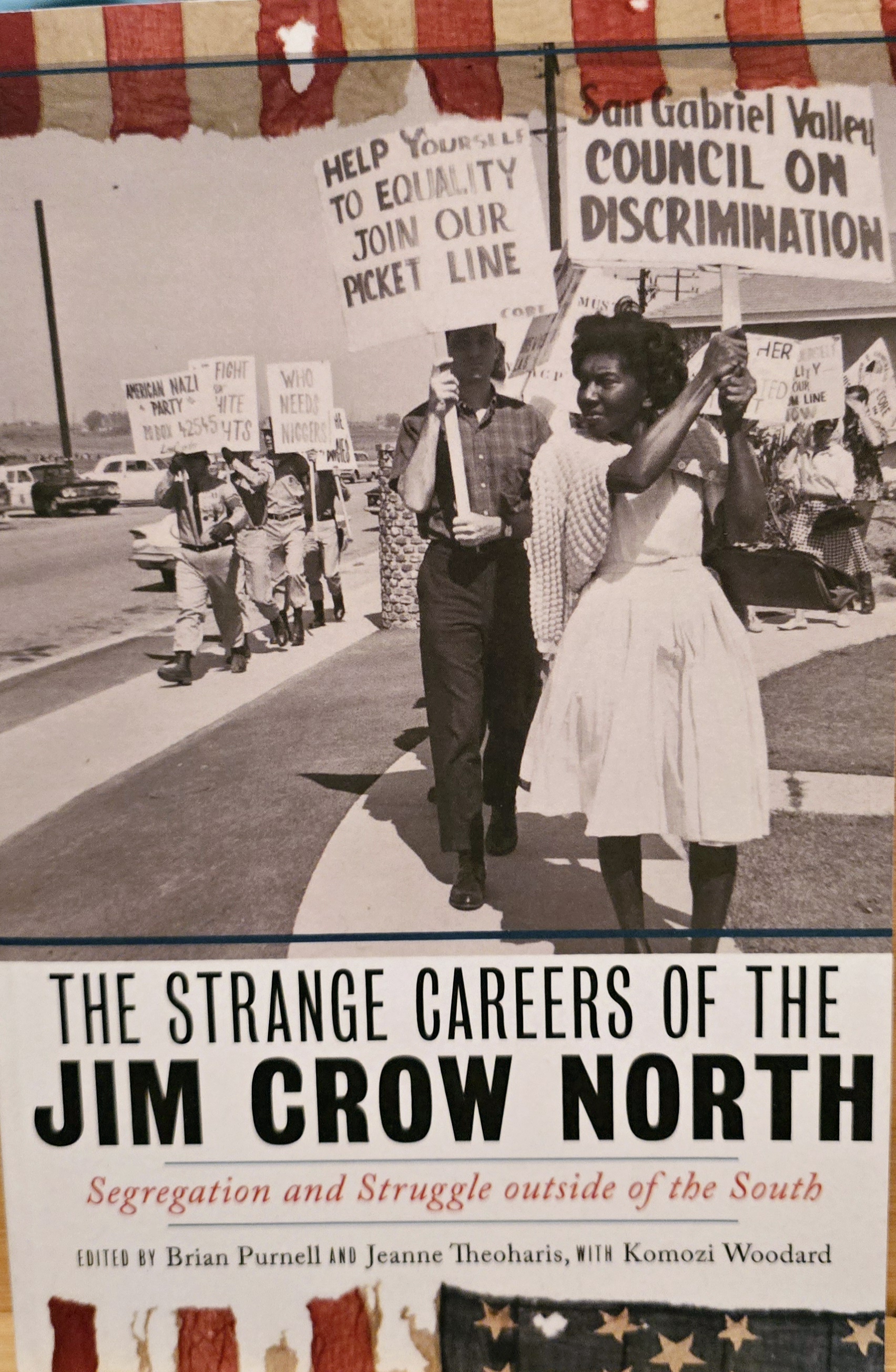
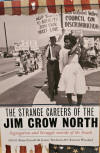
The strange
careers of the Jim Crow North
[Segregation and struggle outside of the South] |
 |
Brian Purnell
& Jeanne Theoharis
2019 |
Jim
Crow was not a regional sickness, it was a national cancer. Even at the
high point of twentieth century liberalism in the North, Jim Crow racism
hid in plain sight. Perpetuated by colorblind arguments about “cultures of
poverty,” policies focused more on black criminality than black equality.
Procedures that diverted resources in education, housing, and jobs away
from poor black people turned ghettos and prisons into social pandemics.
Americans in the North made this history. They tried to unmake it, too.
Liberalism, rather than lighting the way to vanquish the darkness of the
Jim Crow North gave racism new and complex places to hide. The twelve
original essays in this anthology unveil Jim Crow’s many strange careers
in the North. They accomplish two goals: first, they show how the Jim Crow
North worked as a system to maintain social, economic, and political
inequality in the nation’s most liberal places; and second, they chronicle
how activists worked to undo the legal, economic, and social inequities
born of Northern Jim Crow policies, practices, and ideas.
The book ultimately dispels the myth that the South was the birthplace of
American racism, and presents a compelling argument that American racism
actually originated in the North. |
|
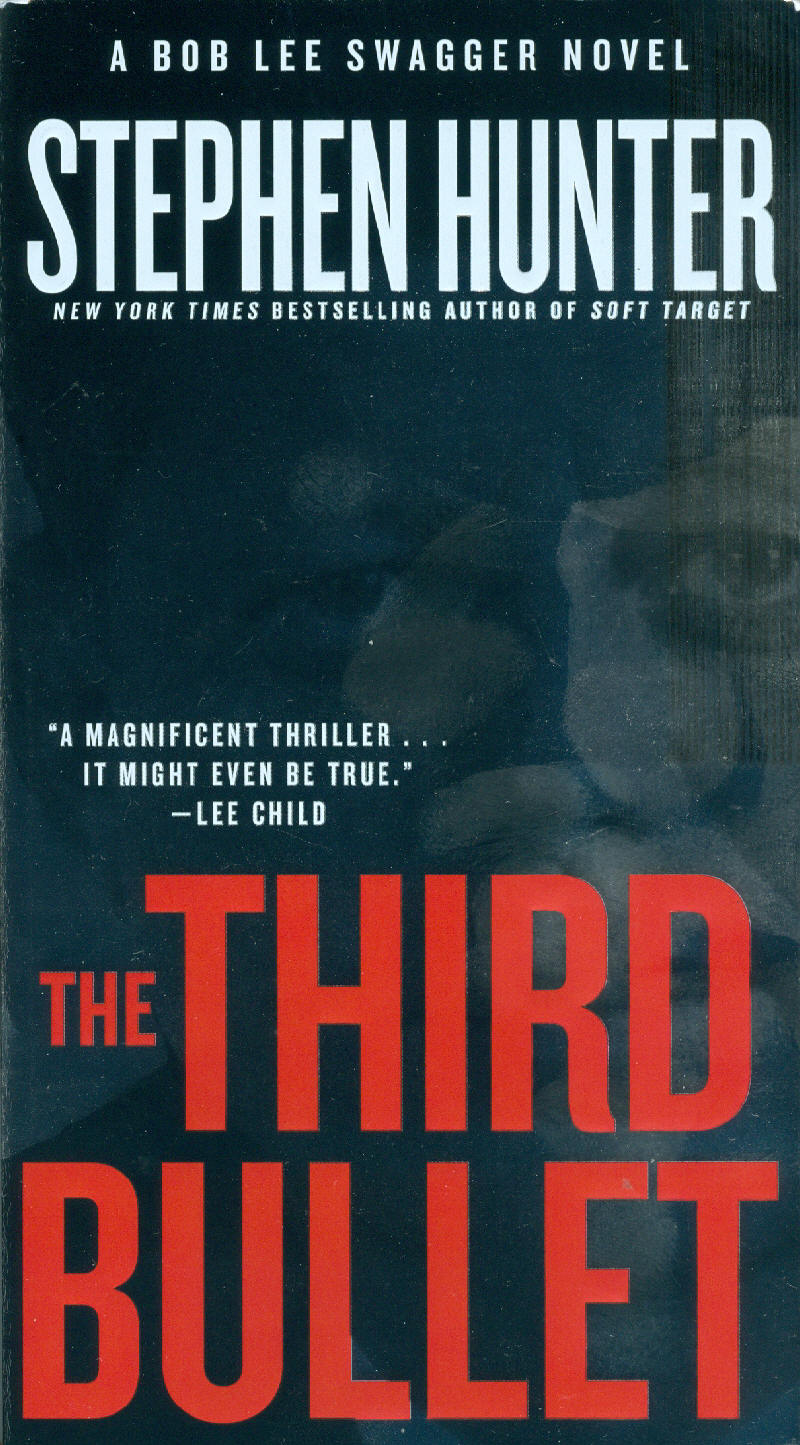
The Third Bullet |
 |
Hunter Stephen
2013 |
Novel.
Stephen Hunter takes on one of the most shocking crimes in American
history when his celebrated hero ex-Marine sniper Bob Lee Swagger follows
the smallest hint of a lead to its staggering conclusion...about the
fateful third bullet that ended the life of President John F.Kennedy. |
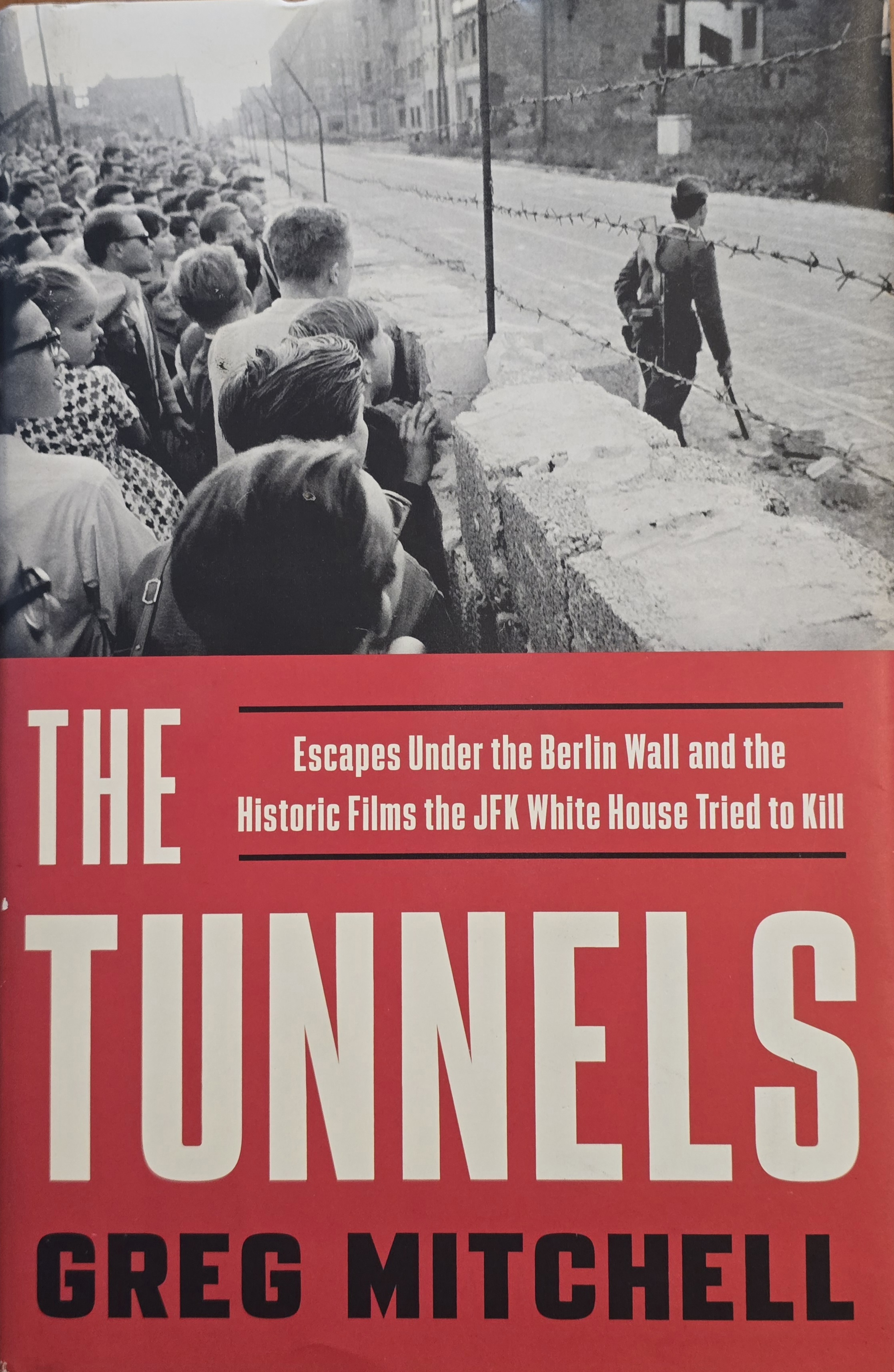
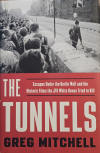
The Tunnels
[Escapes under
the Berlin Wall and the historic films the JFK White House tried to kill] |
 |
Greg Mitchel
2016 |
A thrilling Cold War narrative of superpower showdowns, media suppression,
and two escape tunnels beneath the Berlin Wall.
In the summer of 1962, the year after the rise of the Berlin Wall, a group
of young West Germans risked prison, Stasi torture, and even death to
liberate friends, lovers, and strangers in East Berlin by digging tunnels
under the Wall. Then two U.S. television networks heard about the secret
projects and raced to be first to document them from the inside. NBC and
CBS funded two separate tunnels in return for the right to film the
escapes, planning spectacular prime-time specials. President John F.
Kennedy, however, was wary of anything that might spark a confrontation
with the Soviets, having said, “A wall is better than a war,” and even
confessing to Secretary of State Dean Rusk, “We don’t care about East
Berlin.” JFK approved unprecedented maneuvers to quash both documentaries,
testing the limits of a free press in an era of escalating nuclear
tensions. |
|
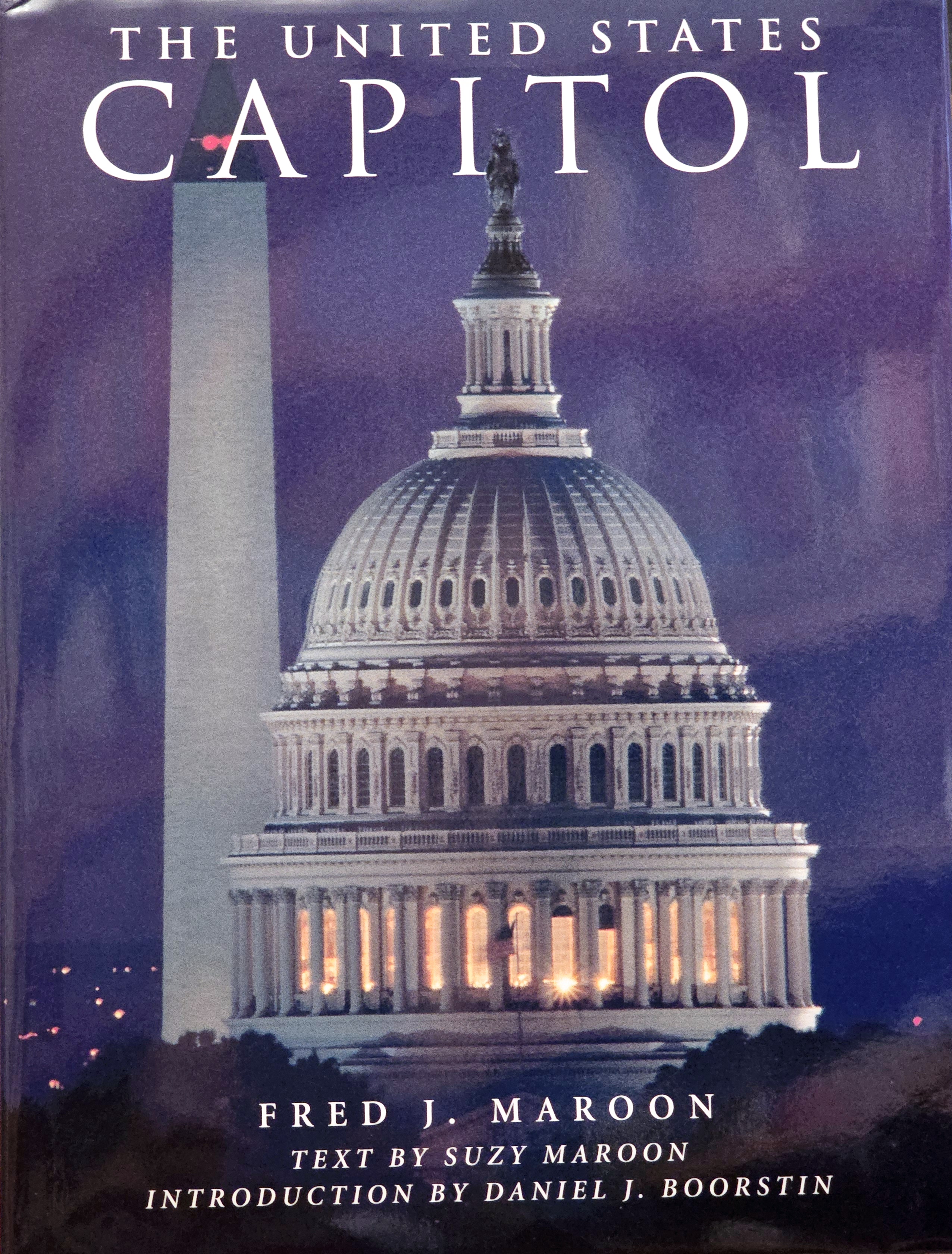
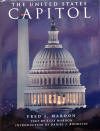
The United States
Capitol |
 |
Fred J. Maroon
1993 |
This book is an unparalleled volume of architectural photography revealing
the majestic interiors - public and private - and breathtaking exterior of
this America landmark building.
Briefly traces the history of the Capitol building, shows its entrances,
porticoes, corridors, and chambers, and describes the work of the Congress |
The White House
[An
Illustrated Tour] |
 |
Bill Harris
2002 |
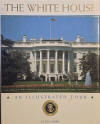
The Rose Garden. The Blue Room. The State Dining Room. The China Room.
These terms are as familiar to Americans as their own homes. In fact, the
White House is America's own house, home to the mightiest leader on earth
and his family. This grand symbol of the power and strength of an entire
nation grew from the efforts of many colorful and fascinating
personalities. Both Democrats and Republicans, first families and social
guests, have graced the halls of the White House and made their respective
marks on the unique and unusual history of the building. The history that
lies beyond the doors has remained a secret until now. Tours gave some
insights, but they are no longer available to the public. What has been
missing is a comprehensive visual and historical tour, not only of the
halls of the White House but also of the history of this magnificent
building. The White House: An Illustrated Tour takes the reader on an
exclusive tour of the halls of the White House and details the history of
the architects, planners, and engineers responsible for it. State rooms
like the Red Room, adorned with a portrait of Martin Van Buren's daughter;
relics like the Gingerbread House, a replica of the White House as it
looked when John Adams first moved in; and the Diplomatic Reception Room
that is the site of the secret deals and pacts of political history. These
are but a few of the physical sites the reader visits. Written by
best-selling author Bill Harris, a leading expert on historical landmarks
and architecture, The White House: An Illustrated Tour lets the reader
see, feel, and taste political history in the making. |
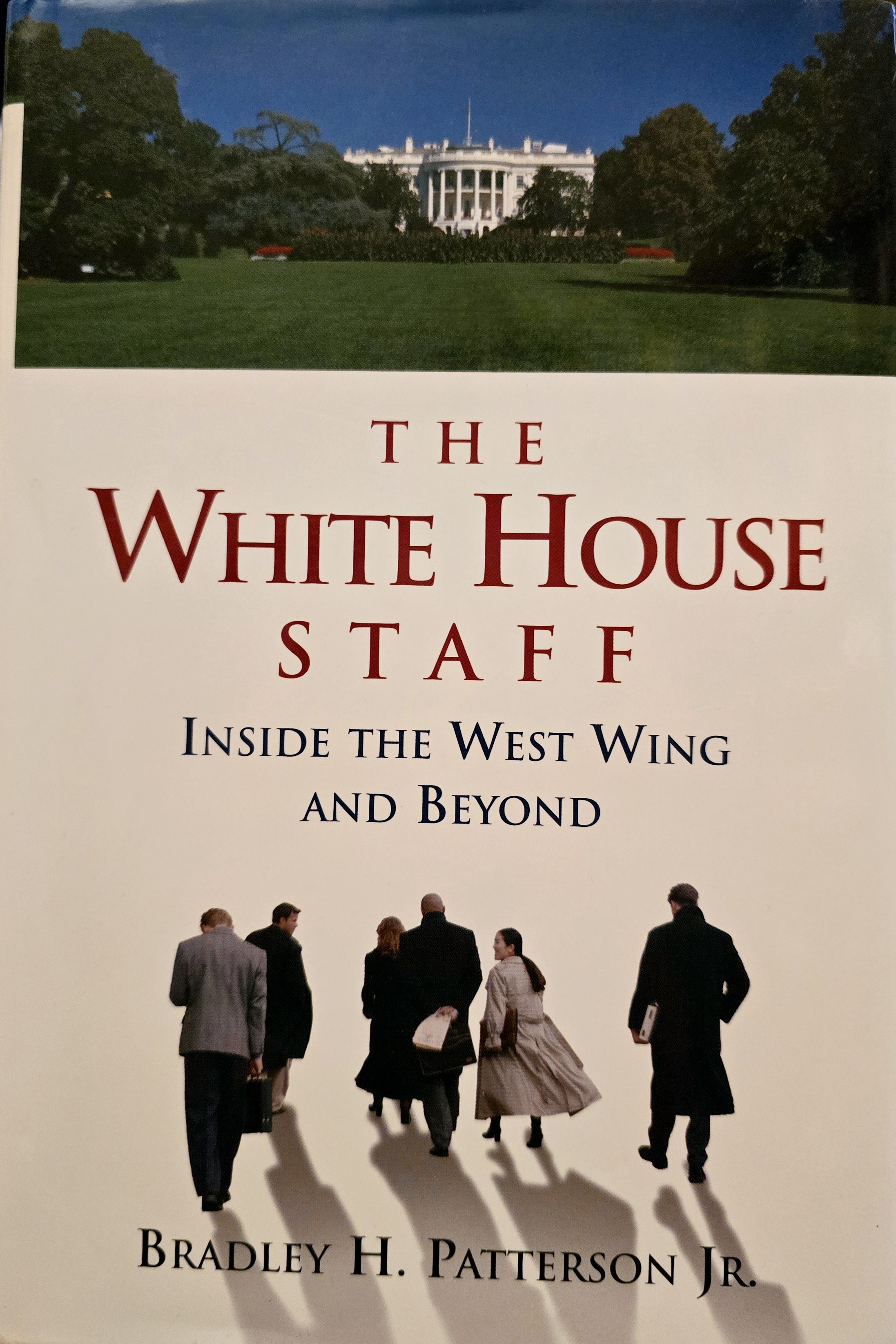
The White House Staff
[Inside
the West Wing and beyond] |
 |
Bradley H. Patterson Jr
2000 |
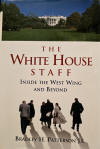
Shrouded in anonymity, protected by executive privilege, but with no legal
or constitutional authority of their own, the 5,900 people in 125 offices
collectively known as the White House staff assist the chief executive by
shaping, focusing, and amplifying presidential policy. Why is the staff so
large? How is it organized and what do those 125 offices actually do? In
this sequel to his critically appraised 1988 book, Ring of Power, Bradley
H. Patterson Jr.a veteran of three presidential administrationstakes us
inside the closely guarded turf of the White House. In a straightforward
narrative free of partisan or personal agendas, Patterson provides an
encyclopedic description of the contemporary White House staff and its
operations. He illustrates the gradual shift in power from the cabinet
departments to the staff and, for the first time in presidential
literature, presents an accounting for the total budget of the modern
White House. White House staff members control everything from the
monumental to the mundane. They prepare the president for summit
conferences, but also specify who sits on Air Force One. They craft the
language for the president to use on public occasionsfrom a State of the
Union Address to such "Rose Garden rubbish" as the pre-Thanksgiving pardon
for the First Turkey. The author provides an entertaining yet in-depth
overview of these responsibilities. Patterson also illuminates the
astounding degree to which presidents personally conduct American
diplomacy and personally supervise U.S. military actions. The text is
punctuated with comments by senior White House aides and by old Washington
hands whose careers go back more than half a century. The book provides
not only a comprehensive key to the offices and activities that make the
White House work, but also the feeling of belonging to that exclusive
membership inside the West Wing. |
|
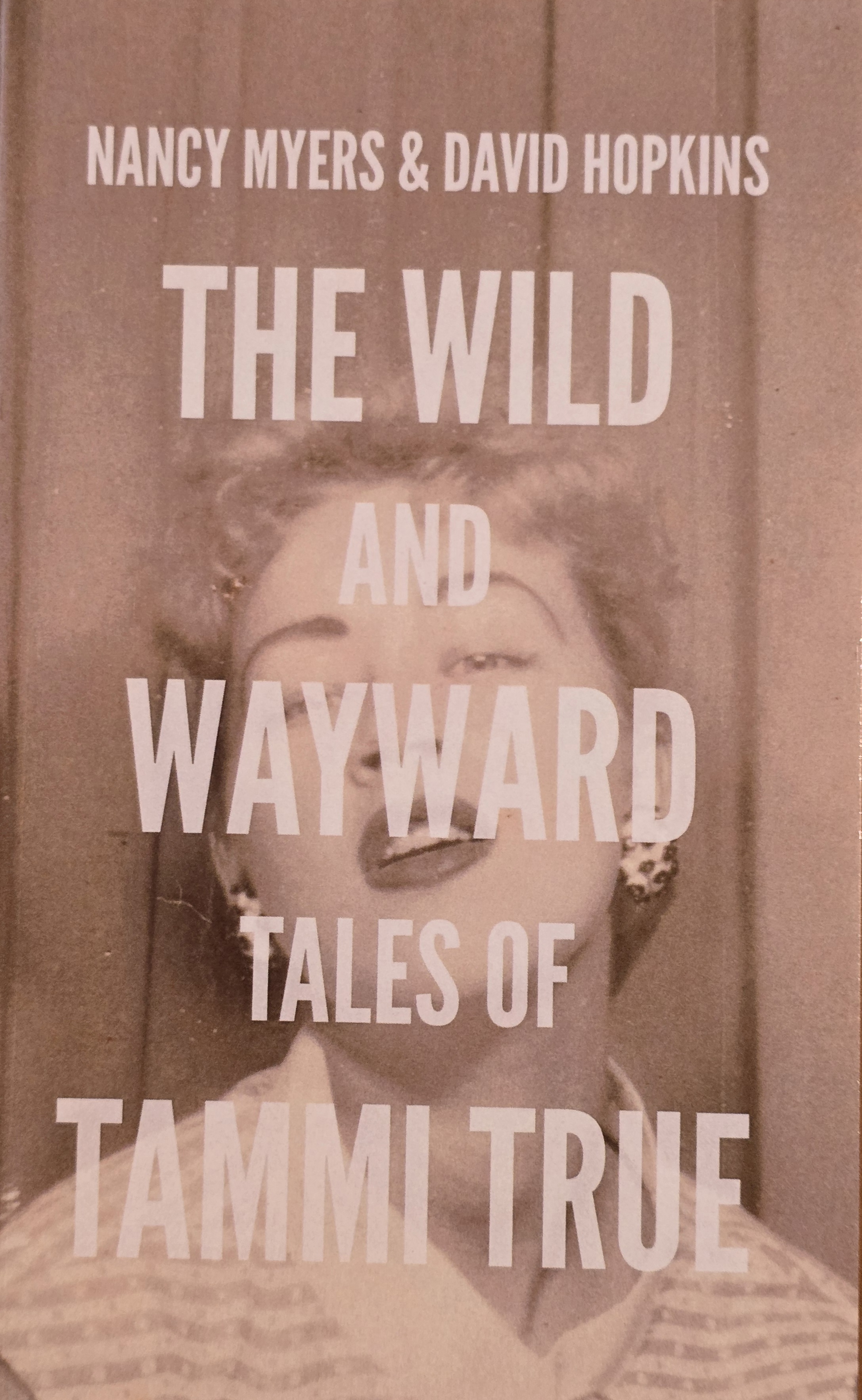
The Wild
and Wayward tales of Tammi True |
 |
Nancy Myers &
David Hopkins
2013 |
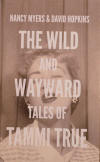
The Wild and Wayward tales of Tammi True.
In the 1960s, Nancy Powell became Tammi True, the burlesque headliner at
Jack Ruby's Carousel Club. She lived a double life, PTA mom by day and
stripper by night. Then Jack Ruby shot Lee Harvey Oswald and everything
changed.
From Catholic school to the juvenile court system, from a noisy club in
Dallas to a quiet farm in the country, Nancy's life is wondrous and
wayward, hilarious and heartfelt. Here it is, her world in her own
words-in and out of the spotlight, and ready for an encore. Tammi True
bares it all. |
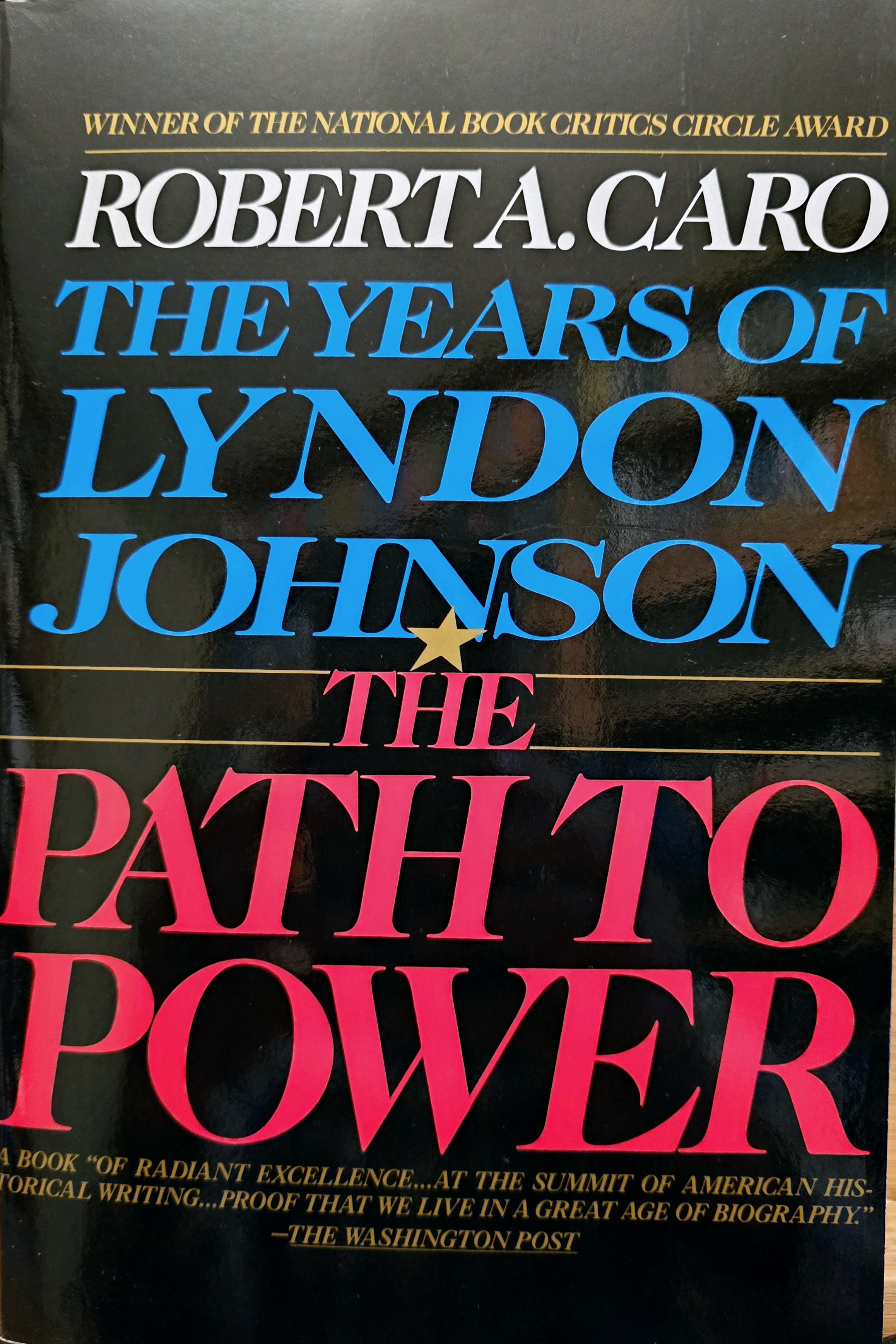
The Years of Lyndon Johnson - Book 1
[The
Path to Power] |
 |
Robert A. Caro
1982 |
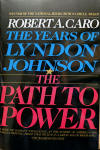
The Path to Power, Book One, reveals in extraordinary detail the
genesis of the almost superhuman drive, energy, and urge to power that set
LBJ apart. Chronicling the startling early emergence of Johnson’s
political genius, it follows him from his Texas boyhood through the years
of the Depression in the Texas hill Country to the triumph of his
congressional debut in New Deal Washington, to his heartbreaking defeat in
his first race for the Senate, and his attainment, nonetheless, of the
national power for which he hungered.
We see in him, from earliest childhood, a fierce, unquenchable necessity
to be first, to win, to dominate—coupled with a limitless capacity for
hard, unceasing labor in the service of his own ambition. Caro shows us
the big, gangling, awkward young Lyndon—raised in one of the country’s
most desperately poor and isolated areas, his education mediocre at best,
his pride stung by his father’s slide into failure and financial
ruin—lunging for success, moving inexorably toward that ultimate
“impossible” goal that he sets for himself years before any friend or
enemy suspects what it may be.
We watch him, while still at college, instinctively (and ruthlessly)
creating the beginnings of the political machine that was to serve him for
three decades. We see him employing his extraordinary ability to mesmerize
and manipulate powerful older men, to mesmerize (and sometimes almost
enslave) useful subordinates. We see him carrying out, before his
thirtieth year, his first great political inspiration: tapping-and
becoming the political conduit for-the money and influence of the new oil
men and contractors who were to grow with him to immense power. We follow,
close up, the radical fluctuations of his relationships with the
formidable “Mr. Sam” Raybum (who loved him like a son and whom he
betrayed) and with FDR himself. And we follow the dramas of his emotional
life-the intensities and complications of his relationships with his
family, his contemporaries, his girls; his wooing and winning of the shy
Lady Bird; his secret love affair, over many years, with the mistress of
one of his most ardent and generous supporters . . .
Johnson driving his people to the point of exhausted tears, equally
merciless with himself . . . Johnson bullying, cajoling, lying, yet
inspiring an amazing loyalty . . . Johnson maneuvering to dethrone the
unassailable old Jack Garner (then Vice President of the United States) as
the New Deal’s “connection” in Texas, and seize the power himself . . .
Johnson raging . . . Johnson hugging . . . Johnson bringing light and,
indeed, life to the worn Hill Country farmers and their old-at-thirty
wives via the district’s first electric lines.
We see him at once unscrupulous, admirable, treacherous, devoted. And we
see the country that bred him: the harshness and “nauseating loneliness”
of the rural life; the tragic panorama of the Depression; the sudden glow
of hope at the dawn of the Age of Roosevelt. And always, in the
foreground, on the move, LBJ.
Here is Lyndon Johnson—his Texas, his Washington, his America—in a book
that brings us as close as we have ever been to a true perception of
political genius and the American political process.
|
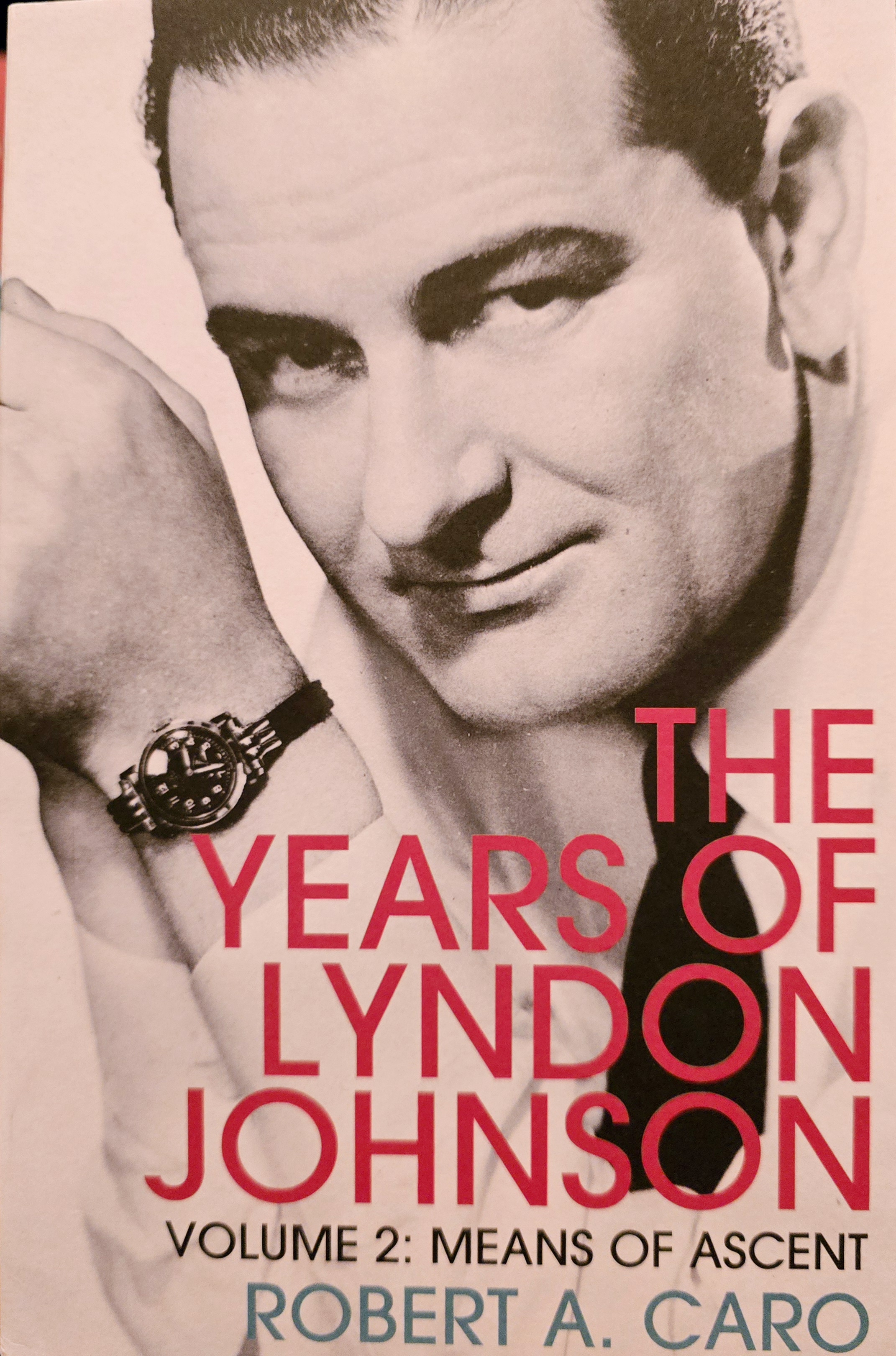
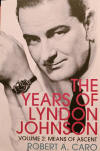
The Years of Lyndon Johnson - Book 2
[Means
of Ascent] |
 |
Robert A. Caro
1990 |
In Means of Ascent, Book Two of The Years of Lyndon Johnson, Robert A.
Caro brings alive Lyndon Johnson in his wilderness years.
Here, Johnson’s almost mythic personality—part genius, part behemoth, at
once hotly emotional and icily calculating—is seen at its most nakedly
ambitious. This multifaceted book carries the President-to-be from the
aftermath of his devastating defeat in his 1941 campaign for the
Senate-the despair it engendered in him, and the grueling test of his
spirit that followed as political doors slammed shut-through his service
in World War II (and his artful embellishment of his record) to the
foundation of his fortune (and the actual facts behind the myth he created
about it).
The culminating drama—the explosive heart of the book—is Caro’s
illumination, based on extraordinarily detailed investigation, of one of
the great political mysteries of the century. Having immersed himself in
Johnson’s life and world, Caro is able to reveal the true story of the
fiercely contested 1948 senatorial election, for years shrouded in rumor,
which Johnson was not believed capable of winning, which he “had to” win
or face certain political death, and which he did win-by 87 votes, the “87
votes that changed history.”
Telling that epic story “in riveting and eye-opening detail,” Caro returns
to the American consciousness a magnificent lost hero. He focuses closely
not only on Johnson, whom we see harnessing every last particle of his
strategic brilliance and energy, but on Johnson’s “unbeatable” opponent,
the beloved former Texas Governor Coke Stevenson, who embodied in his own
life the myth of the cowboy knight and was himself a legend for his
unfaltering integrity. And ultimately, as the political duel between the
two men quickens—carrying with it all the confrontational and moral drama
of the perfect Western—Caro makes us witness to a momentous turning point
in American politics: the tragic last stand of the old politics versus the
new—the politics of issue versus the politics of image, mass manipulation,
money and electronic dazzle.
|
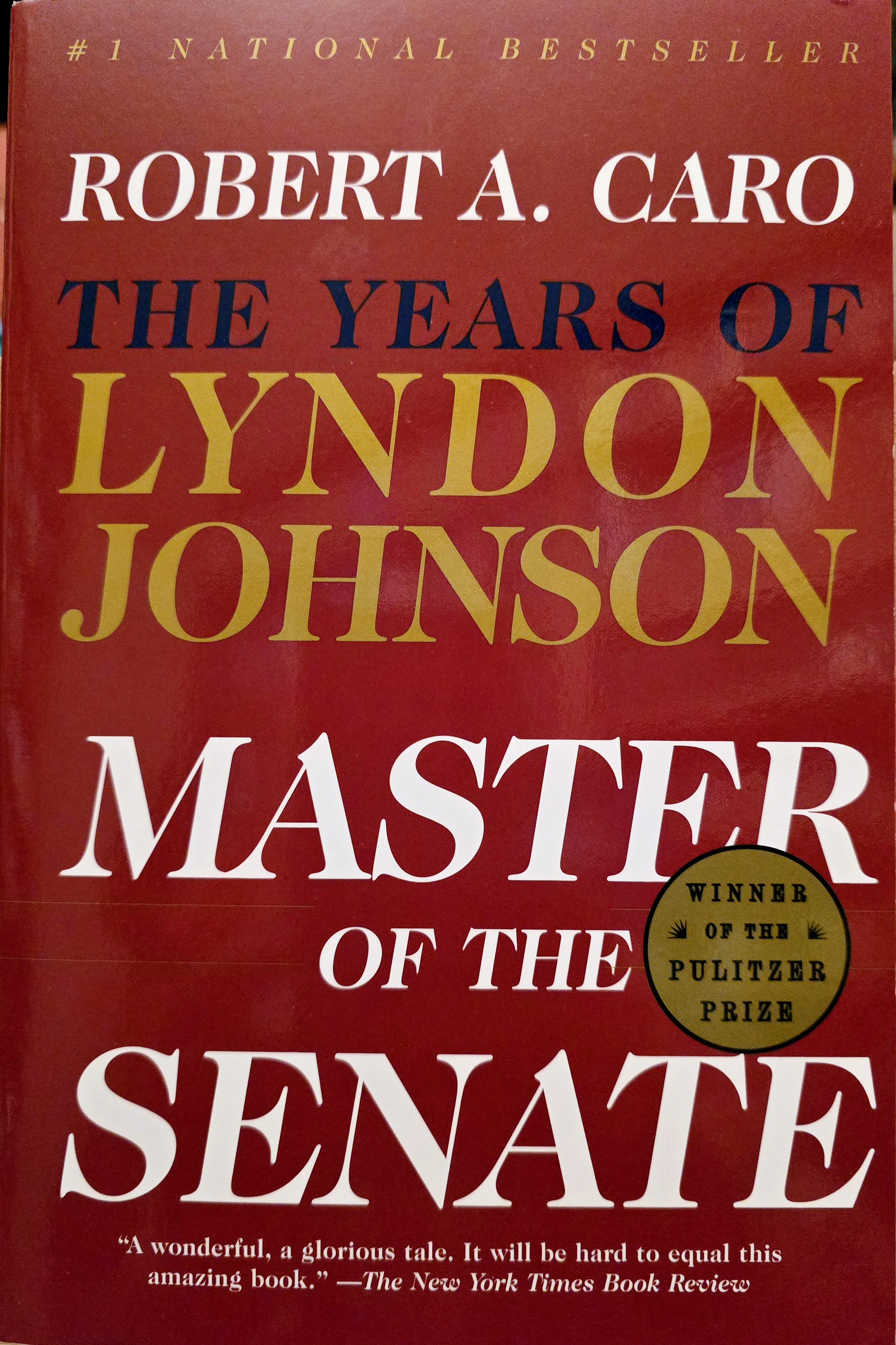
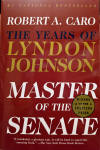
The Years of Lyndon Johnson - Book 3
[Master
of the Senate] |
 |
Robert A. Caro
2003 |
Master of the Senate, Book Three of The Years of Lyndon Johnson,
carries Johnson’s story through one of its most remarkable periods: his
twelve years, from 1949 to 1960, in the United States Senate.
At the heart of the book is its unprecedented revelation of how
legislative power works in America, how the Senate works, and how Johnson,
in his ascent to the presidency, mastered the Senate as no political
leader before him had ever done.
It was during these years that all Johnson’s experience—from his Texas
Hill Country boyhood to his passionate representation in Congress of his
hardscrabble constituents to his tireless construction of a political
machine—came to fruition. Caro introduces the story with a dramatic
account of the Senate itself: how Daniel Webster, Henry Clay, and John C.
Calhoun had made it the center of governmental energy, the forum in which
the great issues of the country were thrashed out. And how, by the time
Johnson arrived, it had dwindled into a body that merely responded to
executive initiatives, all but impervious to the forces of change. Caro
anatomizes the genius for political strategy and tactics by which, in an
institution that had made the seniority system all-powerful for a century
and more, Johnson became Majority Leader after only a single term-the
youngest and greatest Senate Leader in our history; how he manipulated the
Senate’s hallowed rules and customs and the weaknesses and strengths of
his colleagues to change the “unchangeable” Senate from a loose
confederation of sovereign senators to a whirring legislative machine
under his own iron-fisted control.
Caro demonstrates how Johnson’s political genius enabled him to reconcile
the unreconcilable: to retain the support of the southerners who
controlled the Senate while earning the trust—or at least the
cooperation—of the liberals, led by Paul Douglas and Hubert Humphrey,
without whom he could not achieve his goal of winning the presidency. He
shows the dark side of Johnson’s ambition: how he proved his loyalty to
the great oil barons who had financed his rise to power by ruthlessly
destroying the career of the New Dealer who was in charge of regulating
them, Federal Power Commission Chairman Leland Olds. And we watch him
achieve the impossible: convincing southerners that although he was firmly
in their camp as the anointed successor to their leader, Richard Russell,
it was essential that they allow him to make some progress toward civil
rights. In a breathtaking tour de force, Caro details Johnson’s amazing
triumph in maneuvering to passage the first civil rights legislation since
1875.
Master of the Senate, told with an abundance of rich detail that could
only have come from Caro’s peerless research, is both a galvanizing
portrait of the man himself—the titan of Capital Hill, volcanic,
mesmerizing—and a definitive and revelatory study of the workings and
personal and legislative power. |
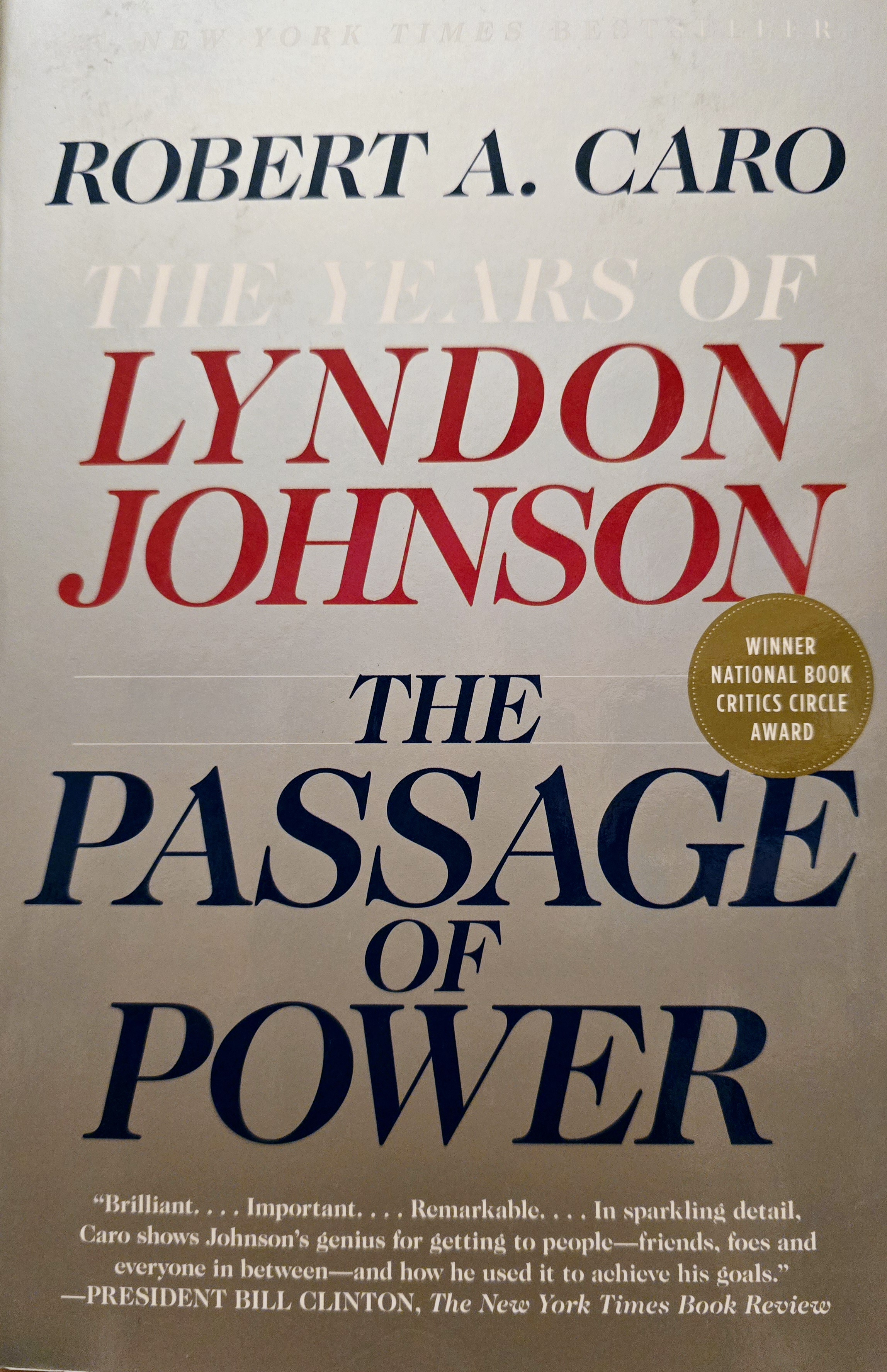
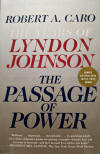
The Years of Lyndon Johnson - Book 4
[The
Passage of Power] |
 |
Robert A. Caro
2013 |
Hailed as 'the greatest biography of our era' (The Times) this is the
fourth part of Robert Caro's multi-award-winning best-selling work on
American President Lyndon Johnson.
The Passage of Power, 'the series' crowning volume' (Economist), spans the
years 1958 to 1964, arguably the most crucial years in the life of Johnson
and pivotal years for American history. This era saw some of the most
frustrating moments of Johnson's career, but also some of his most
triumphant. His battle with the Kennedy brothers over the 1960 Democratic
nomination for president was a bitter one, and the ensuing years of
Johnson's vice-presidency were marked with humiliation. But, thrust into
power following the assassination of J. F. Kennedy, Johnson grasped the
presidential role with unprecedented skill. Caro also provides a fresh
perspective on Kennedy’s assassination from Johnson's viewpoint, and
penetrates deep into what it was like for him to assume a position of such
power at a time of national crisis.
The Passage of Power documents Johnson's extraordinary early presidency,
forcing previously abandoned bills on the budget and civil rights through
an uncooperative Congress and striving to achieve what he saw to be the
highest standard of office.
In The Years of Lyndon Johnson, Caro shows a delicacy of touch and a
profoundness of insight into the state of a nation under the hand of a
political master. Collectively these volumes constitute a major history of
America in the first three-quarters of the twentieth century. |
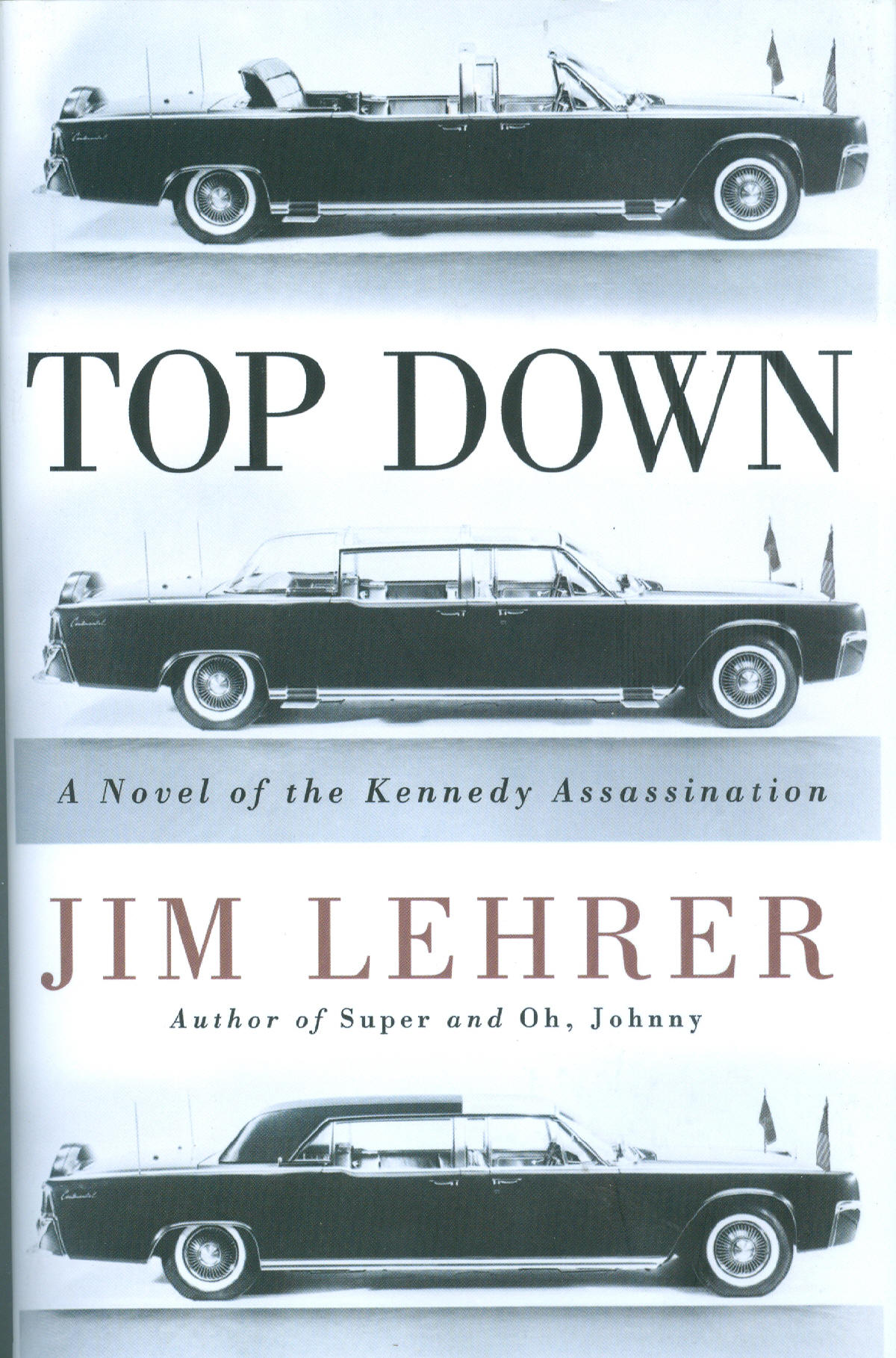
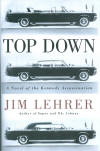
Top Down
[A
Novel of the Kennedy Assassination] |
 |
Jim Lehrer
2013 |
Novel.
In a riveting novel rooted in one of American history's great "what if",
Jim Lehrer tells the story of two men haunted by the events leading up to
John F. Kennedy's assassination. |
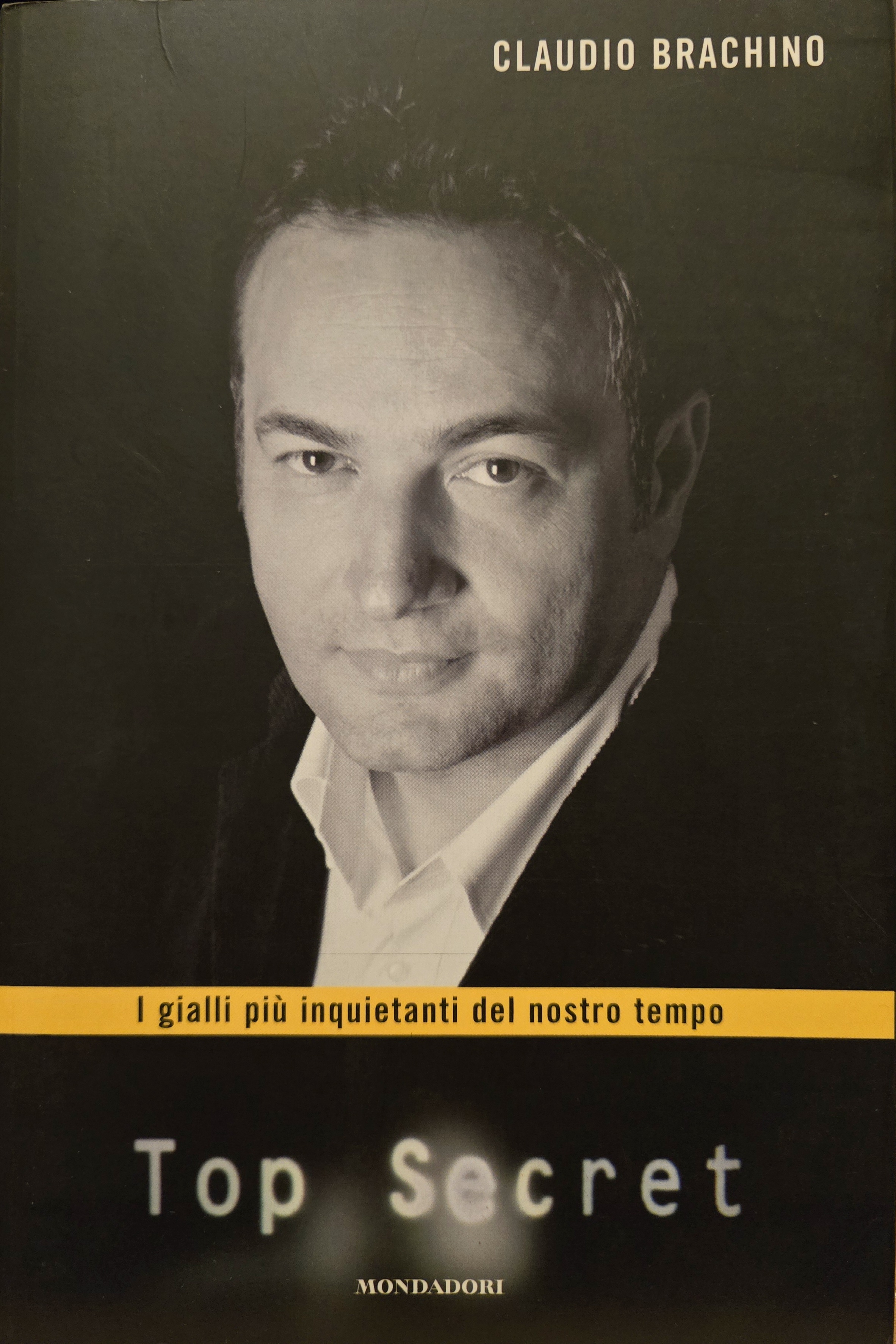
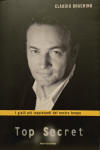
Top Secret
[I
gialli più inquietanti del nostro tempo] |
 |
Claudio
Brachino
2005 |
Italian book.
"Top Secret" is a program that aired on Retequattro. Dedicated to the
darkest sides of the great events of our time, it was hosted by Claudio
Brachino and the most interesting contents of the episodes have converged,
with a more detailed analysis, in this book. The themes addressed are
many, all linked by the common thread of mystery: the most recent theories
and revelations on UFOs, the monsters that populate our imagination, such
as dragons and vampires, but also real ones such as the vampire serial
killer of Paris, a necrophiliac , blood drinker and murderer, or the
Monster of Marcinelle, the pedophile Marc Dutroux, the premature and
tragic death of Lady Diana...
Among the various topics addressed there are also the assassination of
John F. Kennedy and the death of Marilyn Monroe. |
Top Secret/Majic
[Operation
Majestic-12 and the United States Government's UFO Cover-up] |
 |
Stanton T.
Friedman
2005 |
Top Secret/Majic is the result of nuclear physicist and renowned UFO
investigator Stanton T. Friedman's twenty-one year search for the truth
about the mysterious Operation Majestic 12, President Truman's top-secret
UFO investigation team. In this updated edition of his landmark book, he
tells the incredible tale of the July 1947 recovery of a crashed flying
saucer near Roswell, New Mexico, and the establishment by President Truman
of a truly all-star cast to deal with the saucer and its non-human
inhabitants. The first four Directors of Central Intelligence, the first
Secretary of Defense, and several outstanding scientists and military
leaders were part of the team. Through painstaking research and startling
evidence—including documents that have never before been published.
President John F.Kennedy is quoted five
times in this book. |
|
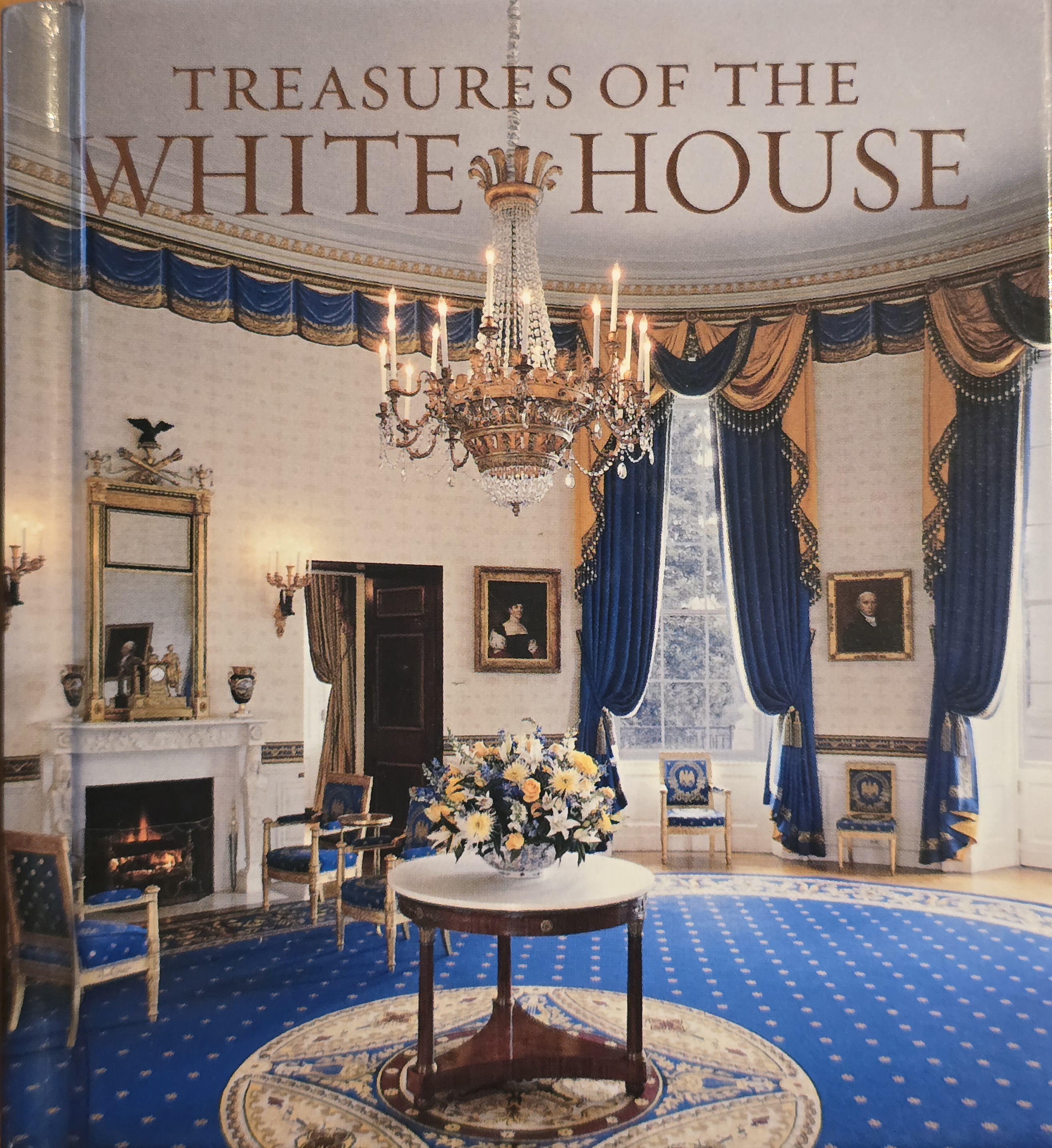
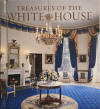
Treasures of the
WHITE HOUSE |
 |
Betty
C.Monkman
2001 |
This authorative survey
spans 200 years of the fine and decorative arts of the White House, as
revealed in 245 color photographs of United States of America's most
valuable heirlooms.
Written by Betty C. Monkman, the Curator of the WHite House, this book
displays the evolving cultural tastes of the Presidents and their
families. |
|
Universal
Newsreels Volume XII : 1960 |
 |
AA:VV.
DVD |
Year-by-year highlights of World Events a they happened : 1960.
DVD of 1h 36m. |
|
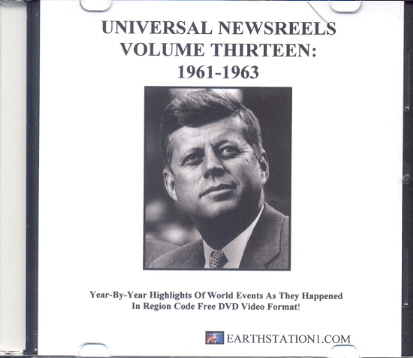
Universal
Newsreels Volume XIII : 1961-1963 |
 |
AA:VV.
DVD |
Year-by-year highlights of World Events a they happened : 1961-1963.
DVD of 1h 43m. |
Un mondo di
segreti
[Impieghi e limiti dello spionaggio] |
 |
AA:VV.
DVD |
Italian version
of the book "A world of secrets".
An assessment of U.S. intelligence gathering pinpoints its successes and
failures and examines where improvements are needed based on an analysis
of previously inaccessible material and personal interviews with leaders
of government and the intelligence.
One chapter is dedicated to the Cuban missile crisis in 1962 during the
Kennedy Presidency. |
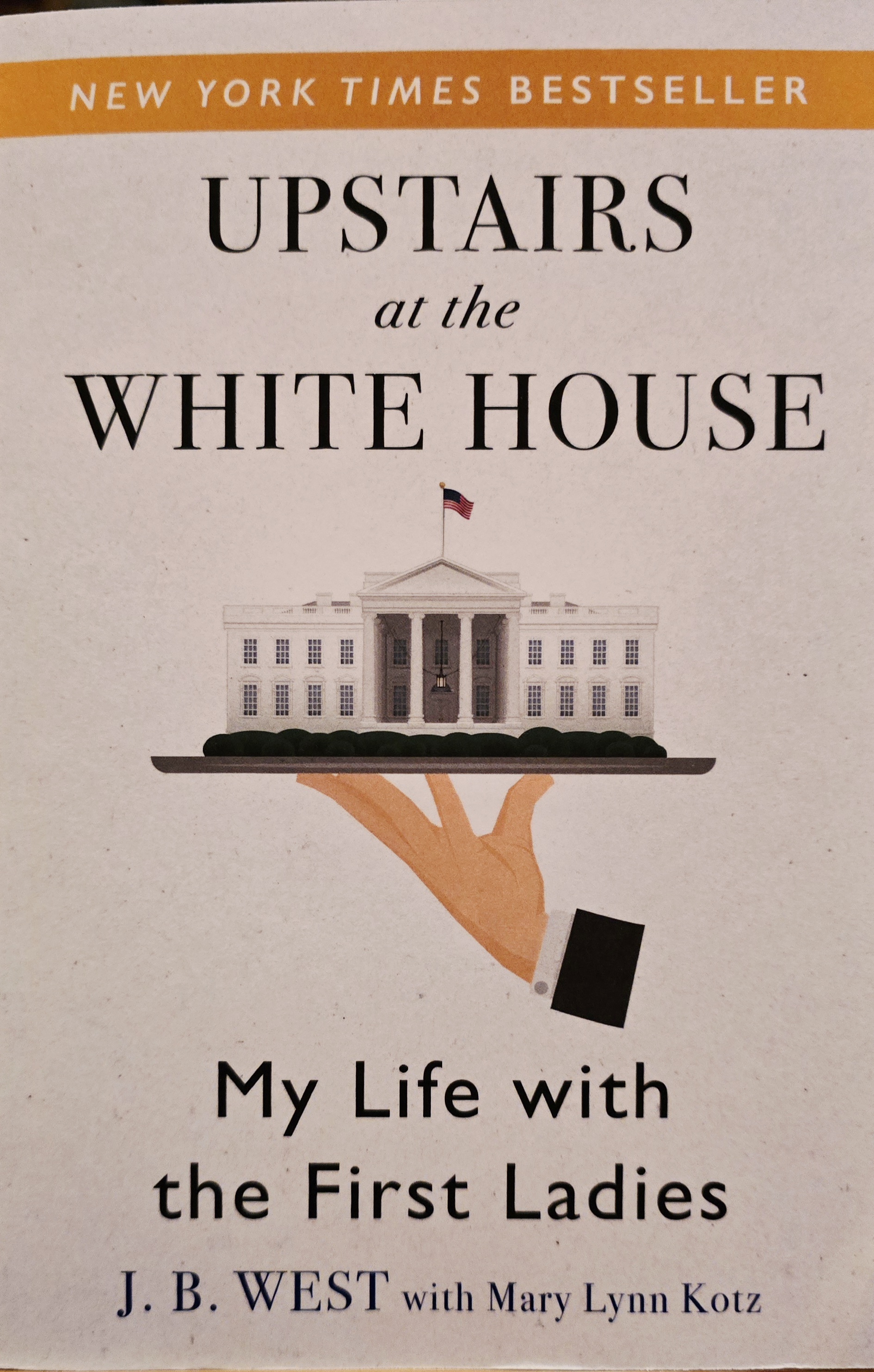
Upstairs at the
White House
[My Life with the First Ladies] |
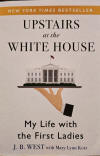 |
J.B. West
2016 |
James Bernard
West (July 27, 1912 – July 18, 1983) was the 6th Chief Usher of the White
House serving from 1957 to 1969.
In this New York Times bestseller, the White House chief usher for nearly
three decades offers a behind-the-scenes look at America’s first families.
J. B. West, chief usher of the White House, directed the operations and
maintenance of 1600 Pennsylvania Avenue—and coordinated its daily life—at
the request of the president and his family. He directed state functions;
planned parties, weddings and funerals, gardens and playgrounds, and
extensive renovations; and, with a large staff, supervised every activity
in the presidential home. For twenty-eight years, first as assistant to
the chief usher, then as chief usher, he witnessed national crises and
triumphs, and interacted daily with six consecutive presidents and first
ladies, as well as their parents, children and grandchildren, and
houseguests—including friends, relatives, and heads of state.
J. B. West, whom Jackie Kennedy called “one of the most extraordinary men
I have ever met,” provides an absorbing, one-of-a-kind history of life
among the first ladies. Alive with anecdotes ranging from Eleanor
Roosevelt’s fascinating political strategies to Jackie Kennedy’s tragic
loss and the personal struggles of Pat Nixon, Upstairs at the White House
is a rich account of a slice of American history that usually remains
behind closed doors. |
|
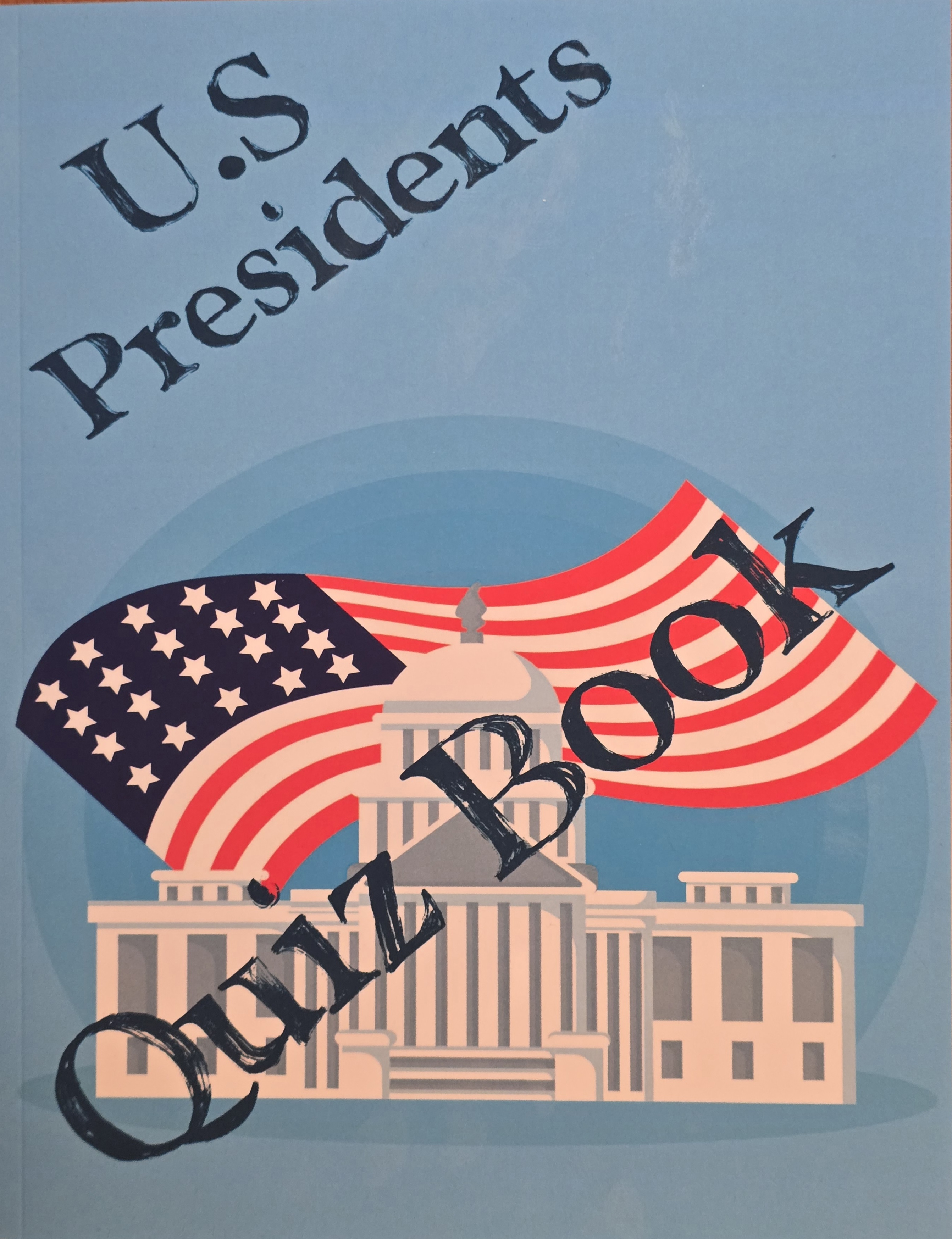
US Presidents -
Quiz Book |
 |
AA.VV.
2020 |
This fun kid's
quiz book, complete with lots of pictures, is a tribute to the first 45
presidents of the United States of America. From George Washington to
Donald Trump, this book is packed with entertaining trivia tidbits and
lots of fun images too.
From simple questions in the front to lesser known fun facts in the back,
this book will test your knowledge while learning little known fun facts
and silly trivia about the leaders who have shaped the United States of
America. |
|
Vietnam - If
Kennedy Had Lived (Virtual JFK) |
 |
James G.Blight - Janet M.Lang - David A.Welch
2009 |
At the
heart of this provocative book lies the fundamental question: Does it
matter who is President on issues of war and peace? The Vietnam War was
one of the most catastrophic and bloody in living memory, and its lessons
take on resonance in light of America's devastating involvement in Iraq.
Tackling head-on the most controversial and debated "what if" in US
Foreign policy, this unique work explores what President John F.Kennedy
would have done in Vietnam if he had not been assassinated in 1963. |
|
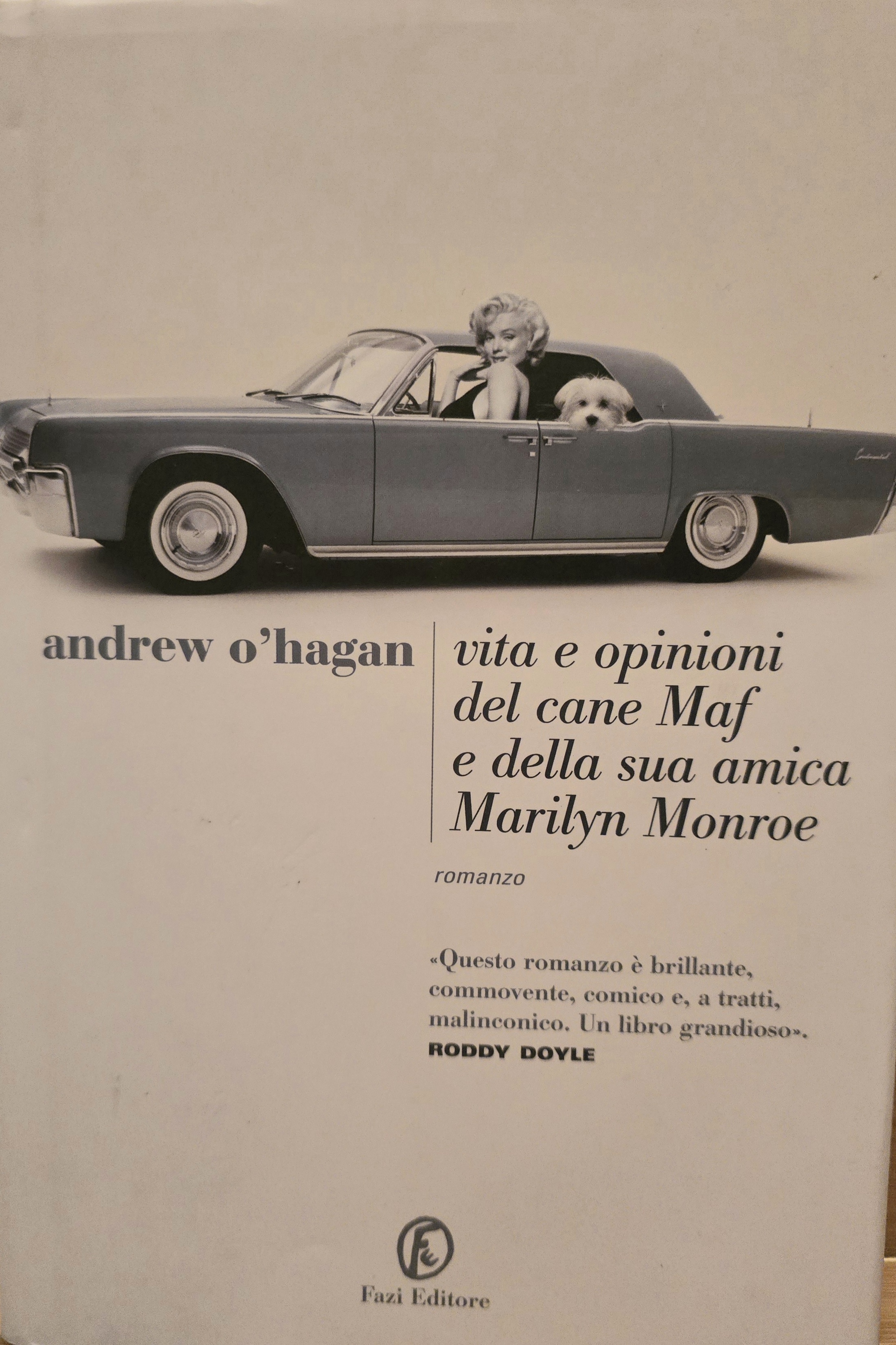
Vita e opinioni
del cane Maf e della sua amica Marilyn Monroe |
 |
Andrew O'Hagan
2011 |
Italian version
of the book "The life and opinion of Maf the Dog and of his friend Marilyn
Monroe".
In November 1960, Frank Sinatra gave Marilyn Monroe a dog. His name was
Mafia Honey, or Maf for short. Born in the household of Vanessa Bell,
brought to the United States by Natalie Wood's mother, and given as a
Christmas present to Marilyn the winter after she separated from Arthur
Miller, Maf was with Marilyn for the last two years of her life, first in
New York and then in Los Angeles, and he had as much instinct for
celebrity and psychoanalysis as he did for Liver Treat with a side order
of National Biscuits. Marylin took him to meet President Kennedy and to
Hollywood restaurants, to department stores, to interviews, and to Mexico
for her divorce. Through Maf's eyes, we see an altogether original and
wonderfully clever portrait of the woman behind the icon—and the dog
behind the woman. |
|
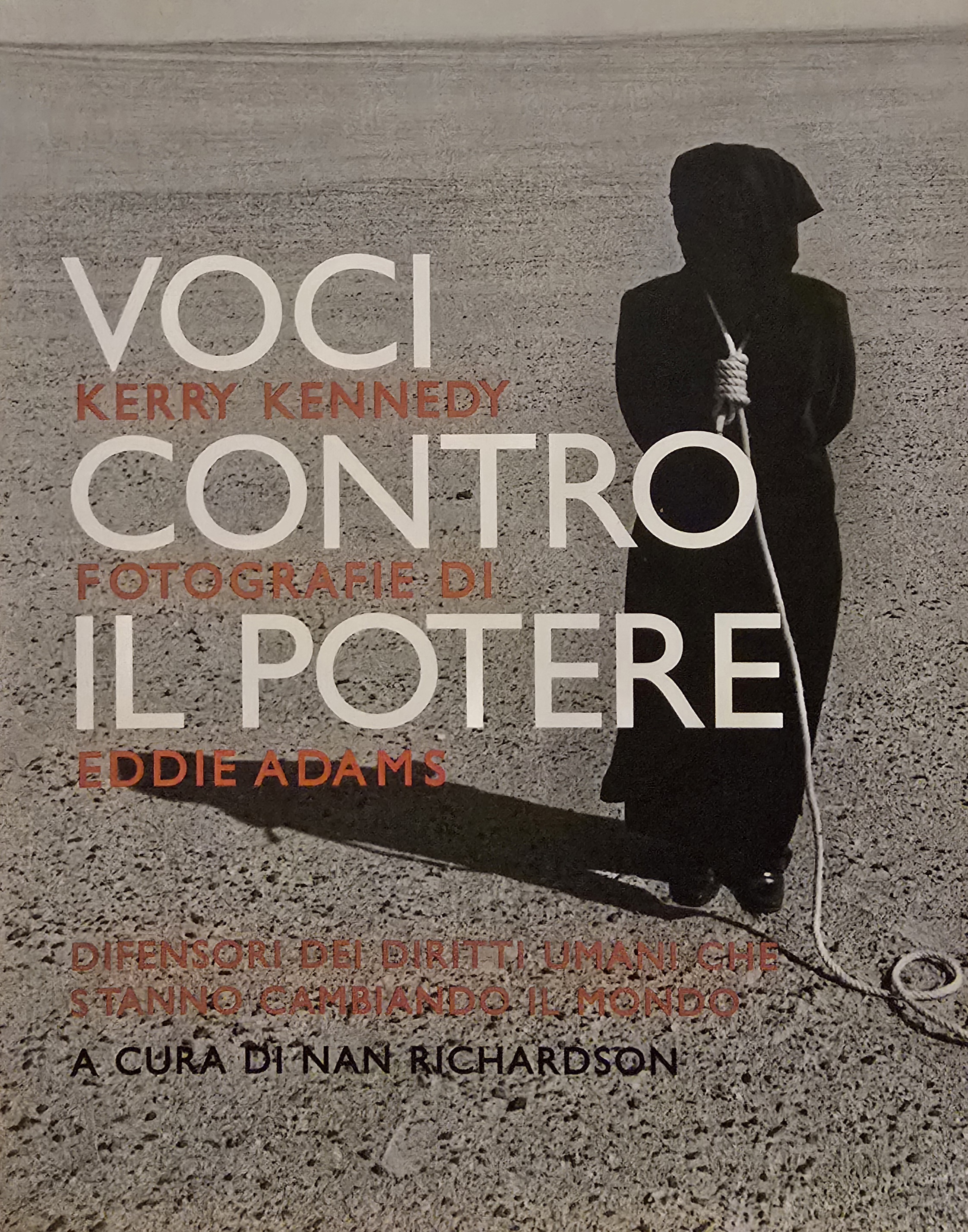
Voci contro il
potere |
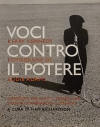 |
Kerry Kennedy
2007 |
"Human Rights Defenders Changing the World".
Kerry Kennedy is the daughter of Bob Kennedy and Ethel Skakel Kennedy, the
seventh of the couple's 11 children. She is also the granddaughter of the
late US President John F. Kennedy. She graduated from Brown University.
Since 1981, Kennedy has been a fierce human rights activist.
This book presents a roster of extraordinary, heroic individuals from over
35 countries and virtually every continent.
The interviews conducted by human rights activist Kerry Kennedy are
striking and engaging, as the issue of human rights is told through the
voices of those who experience it firsthand: they speak of freedom and
expression, children in war, environmental commitment, religious freedom,
minority rights, and sexual slavery. |
|
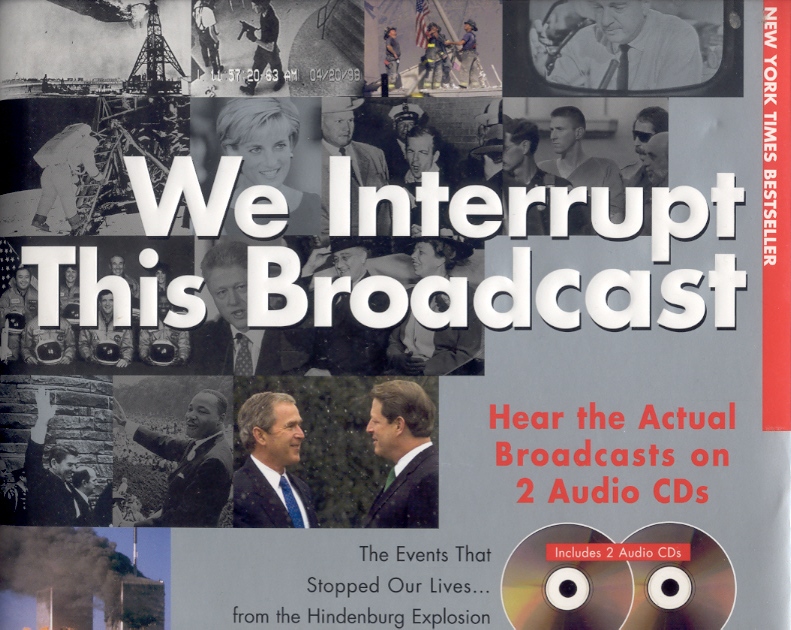
We Interrupt This
Broadcast |
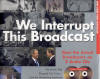 |
Joe Garner
2002 |
Few
phrases garner as much attention as "We interrupt this broadcast...".
Wherever we may happen to be , our lives stop for a moment, and we
experience those few seconds of anxiety between the interruption and the
actual announcement of what has happened. In words and images - and on two
audio CDs- this book brings to life 43 famous and infamous moments that
were announced with those four chilling words, including the JFK
assassination on Nov.22,1963. |
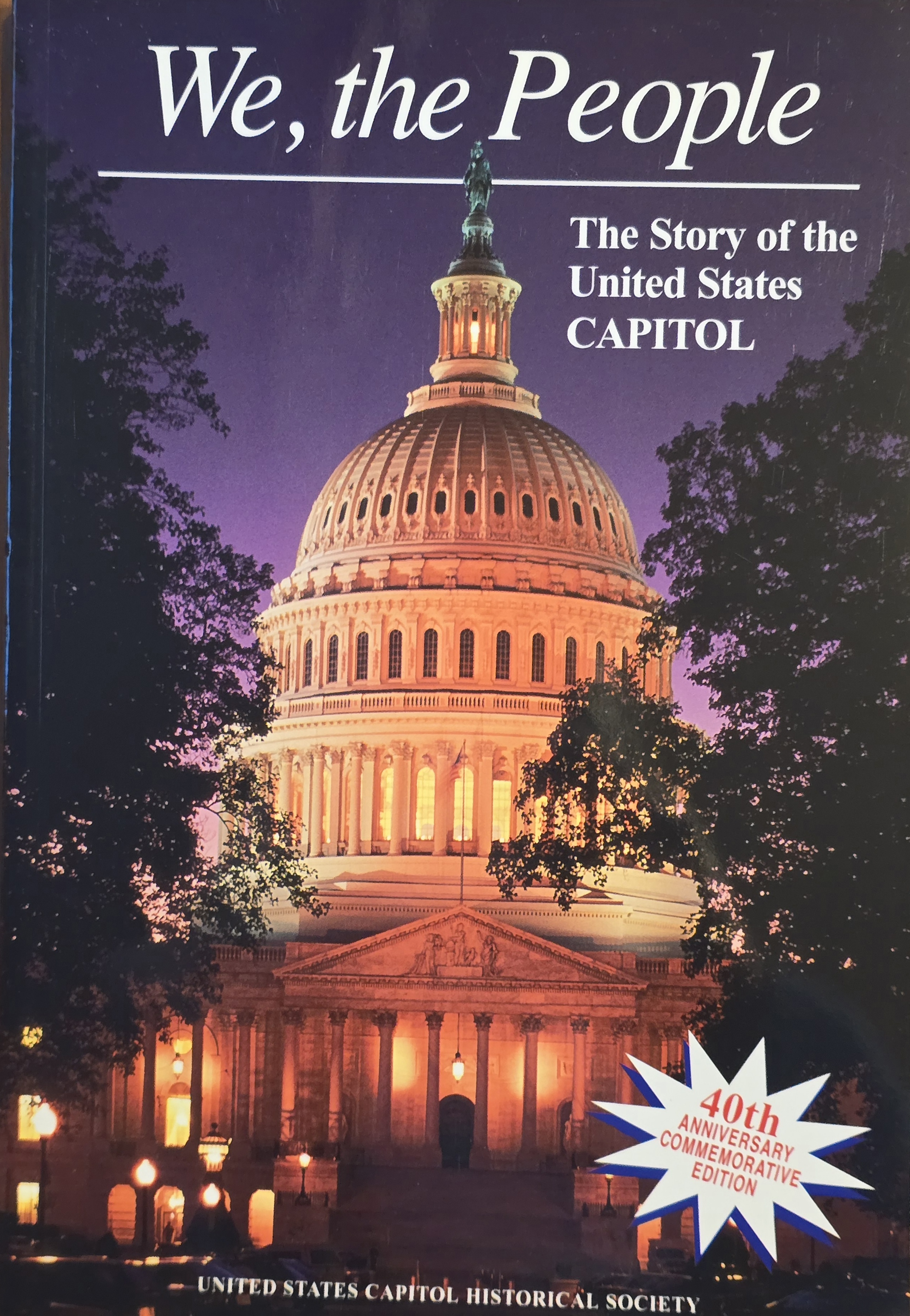
We, the People
[The
Story of the United States CAPITOL] |
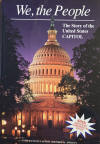 |
United States Capitol Historical Society
2002 |
An illustrated history of the United States Capitol building, with a view
of the legislators at work. |
|
Weird but true! -
U.S. Presidents |
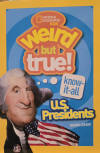 |
Brianna Dumont
2017 |
What's so weird about U.S. presidents? Plenty! Did you know that Abraham
Lincoln was a great wrestler? That Ulysses S. Grant got a speeding ticket
riding his horse – twice! Or that Benjamin Harrison was afraid of
electricity? And let's not forget that President McKinley had a pet parrot
that whistled "Yankee Doodle Dandy" duets with him! In this new
single-subject Weird But True book, you'll have a blast learning that
there's a lot of substance – and weirdness – in every president's past. |
White House Ghosts
[Presidents and their Speechwriters, from FDR to George W.Bush] |
 |
Robert Schlesinger
2008 |
In White House Ghosts, veteran Washington reporter Robert
Schlesinger opens a fresh and revealing window on the modern presidency
from FDR to George W. Bush. This is the first book to examine a crucial
and often hidden role played by the men and women who help presidents find
the words they hope will define their places in history.
Drawing on scores of interviews with White House scribes and on extensive
archival research, Schlesinger weaves intimate, amusing, compelling
stories that provide surprising insights into the personalities, quirks,
egos, ambitions, and humor of these presidents as well as how well or not
they understood the bully pulpit.
White House Ghosts traces the evolution of the presidential speechwriter's
job from Raymond Moley under FDR through such luminaries as Ted Sorensen
and Arthur Schlesinger, Jr., under JFK, Jack Valenti and Richard Goodwin
under LBJ, William Safire and Pat Buchanan under Nixon, Hendrik Hertzberg
and James Fallows under Carter, and Peggy Noonan under Reagan, to the
"Troika" of Michael Gerson, John McConnell, and Matthew Scully under
George W. Bush. |
|
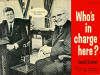
Who's in charge
here? |
 |
Gerald Gardner
1962 |
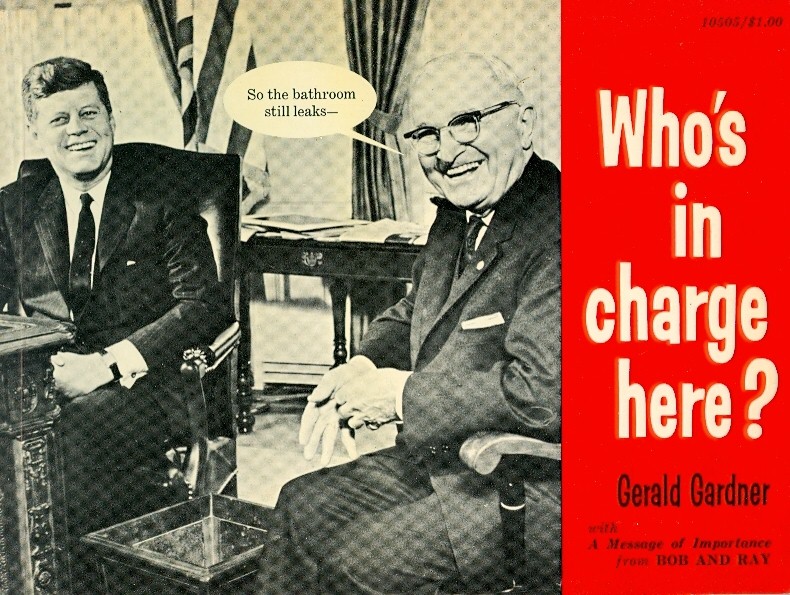
It's a vintage 1962 book entitled, "Who's In Charge Here?" by Gerald
Gardner. This book features the JFK era at White House in a very
humorous light. Cover features JFK speaking to former President
Eisenhower, and Eisenhower says, "So the bathroom still leaks-" Every
possible Kennedy-era personality is in the book, including Fidel Castro,
Queen Elizabeth II, Caroline Kennedy and many more. |
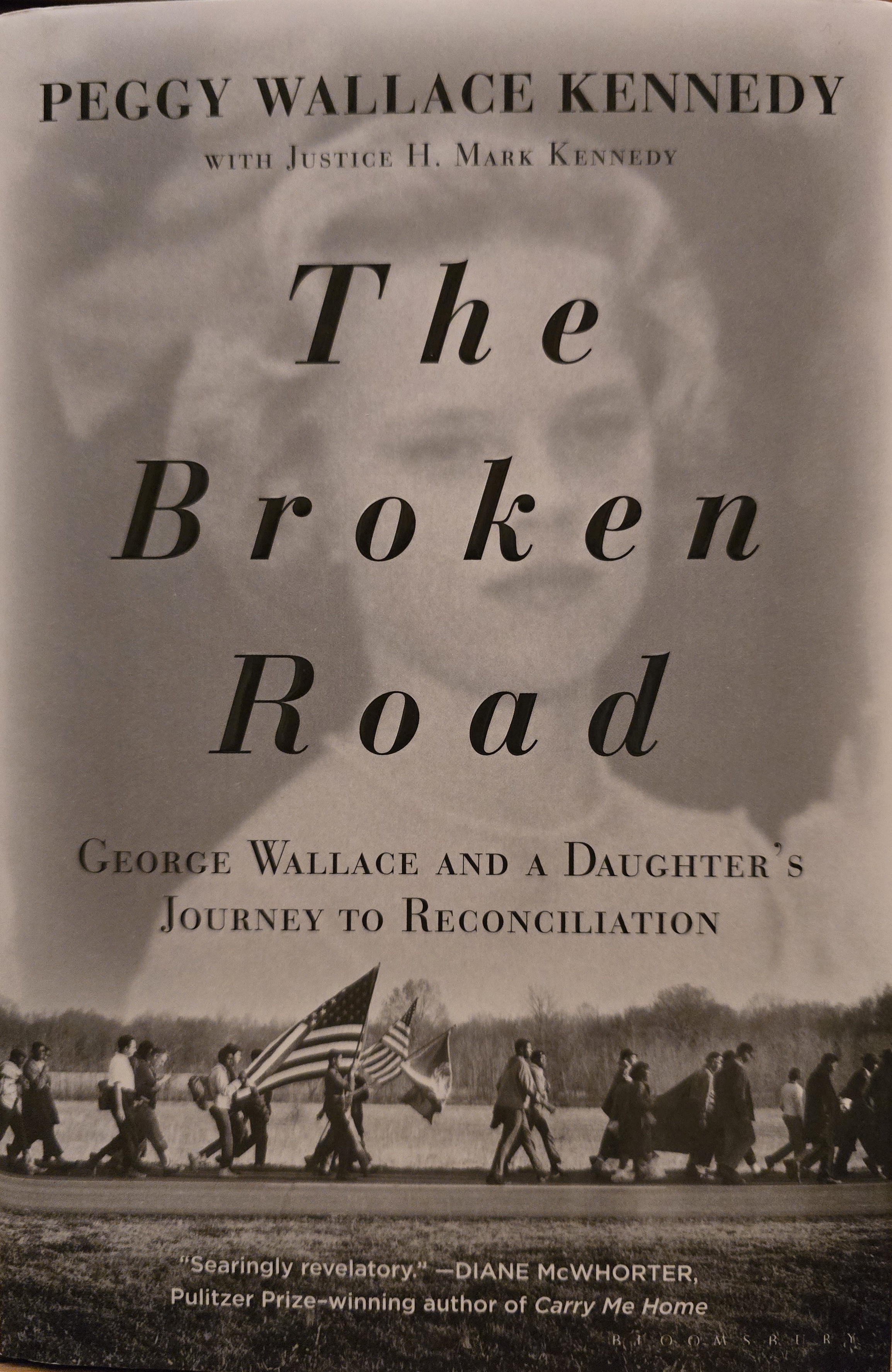
The Broken Road
[George Wallace and a Daughter's Journey to Reconciliation] |
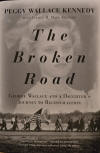 |
Peggy Wallace Kennedy
2019 |
From
George Wallace's "Stand in the Schoolhouse Door" to President John
Kennedy's historic civil rights speech, and late at night, the shooting of
Medgar Evers, June 11, 1963 was one of the most significant days in the
civil rights movement.
On that day, George Wallace defined his legacy
with his “Stand in the Schoolhouse Door”
From the daughter of one of America’s most virulent segregationists, a
memoir that reckons with her father George Wallace’s legacy of hate--and
illuminates her journey towards redemption.
Peggy Wallace Kennedy has been widely hailed as the “symbol of racial
reconciliation” (Washington Post). In the summer of 1963, though, she was
just a young girl watching her father stand in a schoolhouse door as he
tried to block two African-American students from entering the University
of Alabama. This man, former governor of Alabama and presidential
candidate George Wallace, was notorious for his hateful rhetoric and his
political stunts. But he was also a larger-than-life father to young
Peggy, who was taught to smile, sit straight, and not speak up as her
father took to the political stage. At the end of his life, Wallace came
to renounce his views, although he could never attempt to fully repair the
damage he caused. But Peggy, after her own political awakening, dedicated
her life to spreading the new Wallace message--one of peace and
compassion.
In this powerful new memoir, Peggy looks back on the politics of her youth
and attempts to reconcile her adored father with the man who coined the
phrase “Segregation now. Segregation tomorrow. Segregation forever.”
Timely and timeless, The Broken Road speaks to change, atonement,
activism, and racial reconciliation. |
|
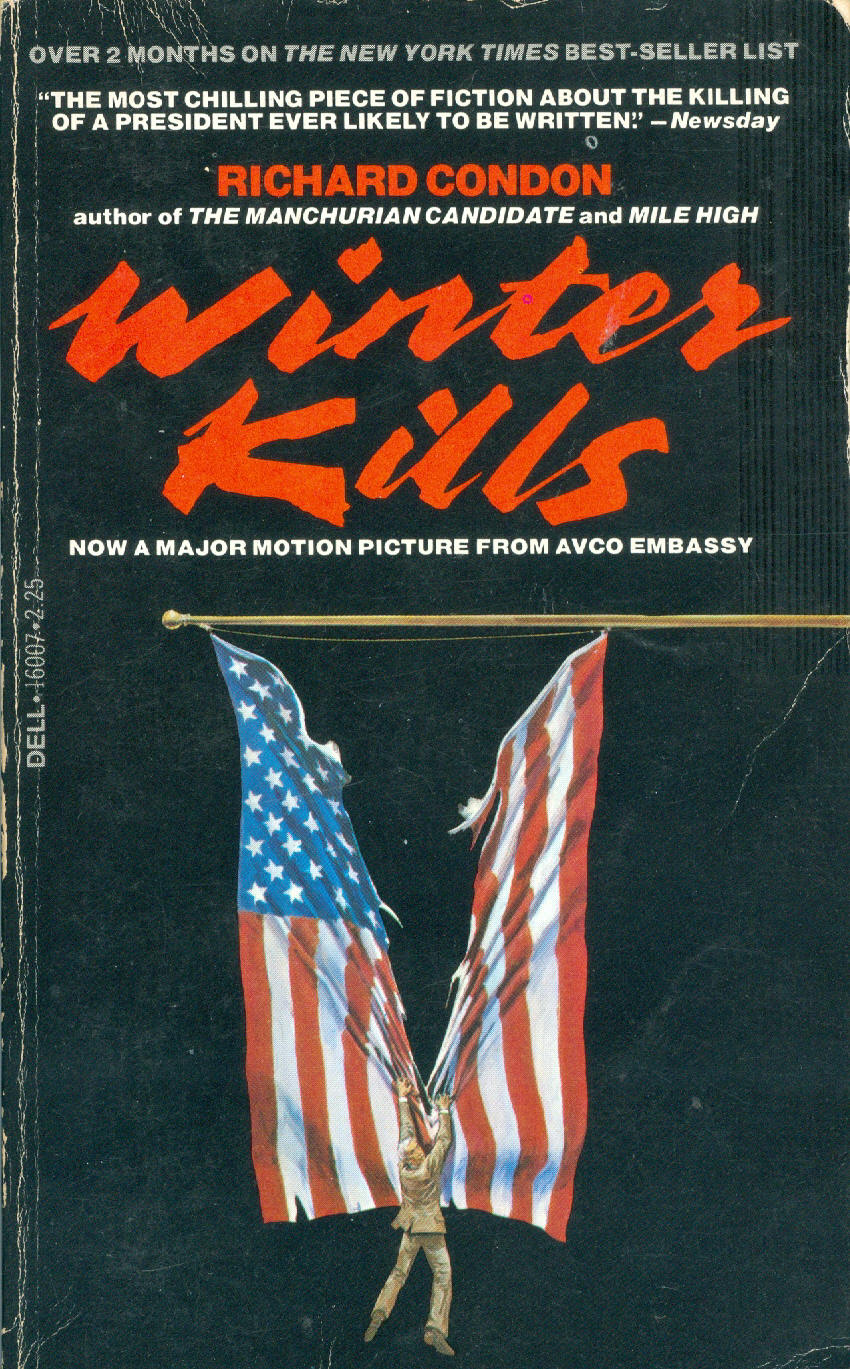
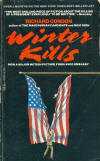
Winter kills |
 |
Richard Condon
1974 |
A
whistleblower looks too deeply into a president’s assassination in this
darkly satiric conspiracy thriller from the author of The Manchurian
Candidate.
It has been more than a decade since the assassination of
US President Timothy Kegan, who was gunned down while riding in a
motorcade through the streets of Philadelphia. The “lone gunman”
responsible was arrested and convicted, and the country has moved on.
President Kegan’s half-brother Nick tries to move on as well—until he
overhears the deathbed confession of a man who claims to have been a
second shooter. Suddenly Nick’s embroiled in a Kafkaesque conspiracy that
stretches from Washington DC to Cuba and all the way into England’s Court
of St. James. He’s surrounded by mobsters, oil magnates, crooked cops,
religious leaders, CIA “spooks,” Hollywood celebrities, and international
power brokers—including the renowned Washington hostess, fixer, and femme
fatale, Lola Camonte—all of whom seem intent upon doing him in. And the
closer Nick comes to the startling truth about the assassination, the less
he really wants to know.
Winter Kills is an outrageously dark and funny take on the John F.
Kennedy assassination and the conspiracy furor that followed it, from
the master storyteller who brought you The Manchurian Candidate and
Prizzi’s Honor. |
| |
| |
|
|
| |
| |
|
|
| |
| |
|
|
| |
| |
|
|
| |
| |
|
|
| |
| |
|
|
| |
| |
|
|
| |
| |
|
|
| |
| |
|
|
| |
| |
|
|
1
2
3
4 5
Back to Top Back to Biagio's
J.F.Kennedy Home Page

Biagio Privitera's
Home Page. You can contact me at
biagio@biagioprivitera.it
|